Thinking about selling in Macungie and want your home to shine online and in person? You are not alone. Buyers scroll fast, and first impressions decide who books a showing. In this guide, you will learn what to stage, what to skip, and how to prep for photos so your Macungie home stands out. Let’s dive in.
Why staging works in Macungie
Macungie blends historic character with newer suburban builds, which means buyers look for both charm and everyday function. The borough’s mix of period homes and modern layouts makes thoughtful staging especially effective for broad appeal. You want buyers to notice original details where they exist and clear, open living zones everywhere else. For quick local context, Macungie’s roots run deep, from classic cottages to landmarks like the Valentine Weaver House.
Staging delivers measurable results. In the National Association of REALTORS 2025 staging report, about 29% of seller agents said staging produced offers 1 to 10 percent higher than comparable unstaged homes, and nearly half said staging reduced time on market. The report also confirms the most influential rooms: the living room, primary bedroom, and kitchen. You can review those findings in the NAR home staging report.
Practitioner snapshots tell a similar story. The Real Estate Staging Association’s quarterly updates have shown strong sale-to-list ratios and large reported returns on investment in their samples. While results vary by property, these data points support the idea that smart staging helps your listing perform. See the context in RESA’s statistics.
Start with high-impact fixes
Focus on simple, visible wins first. These items often have the best return for the least effort.
- Declutter and deep clean. Pack personal photos and extra decor so rooms read larger and cleaner. This step alone changes how your home looks on camera. A thorough clean, including windows and baseboards, makes every room feel newer. For a practical pre-list cleaning checklist, see this pre-list prep guide.
- Improve lighting. Replace mismatched bulbs with a consistent soft-white color, add a lamp or two where corners feel dark, and open blinds to maximize daylight. Photographers favor bright interiors with even light, as noted in this lighting and photography guidance.
- Neutral paint. Fresh, neutral paint photographs better and makes rooms feel move-in ready. Target high-traffic areas first for maximum impact.
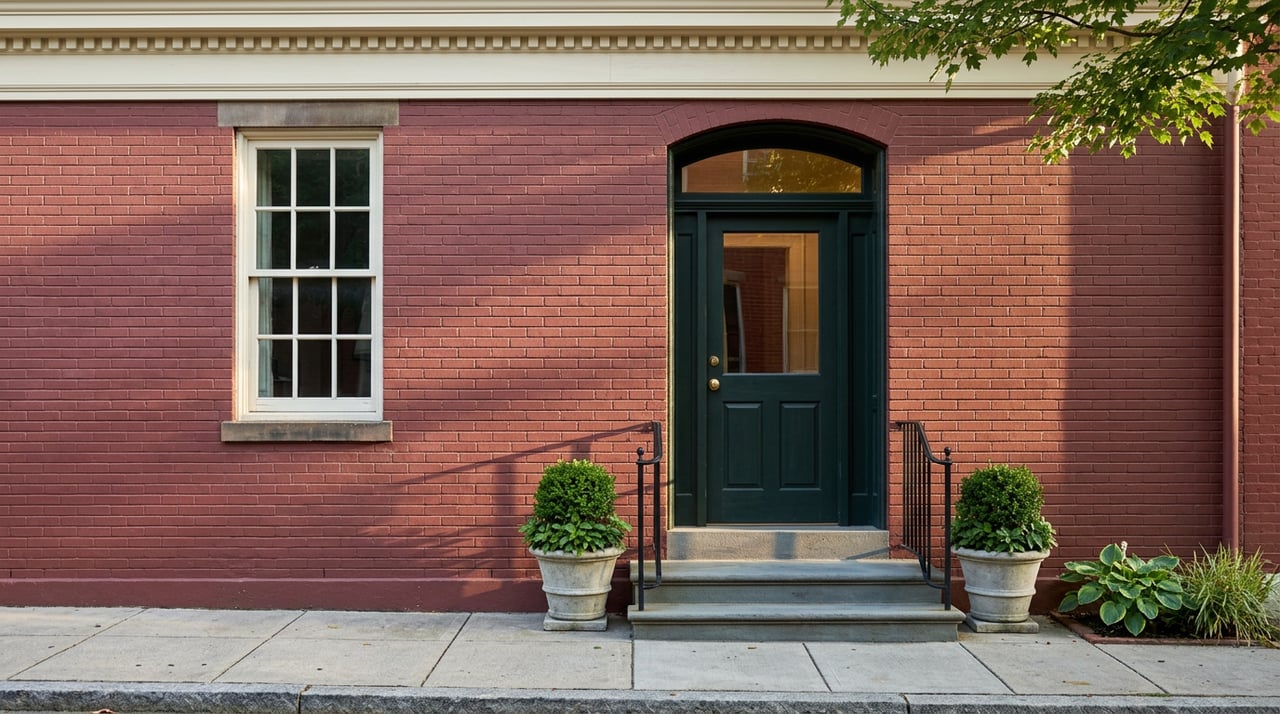
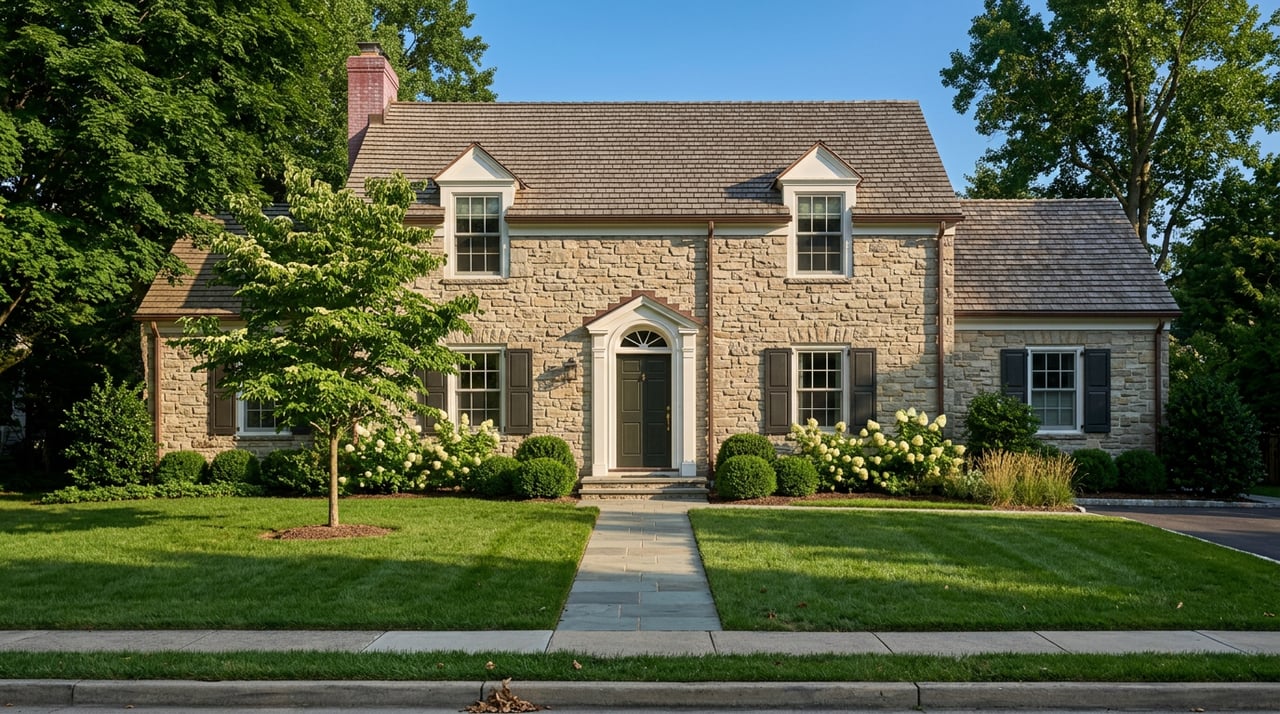
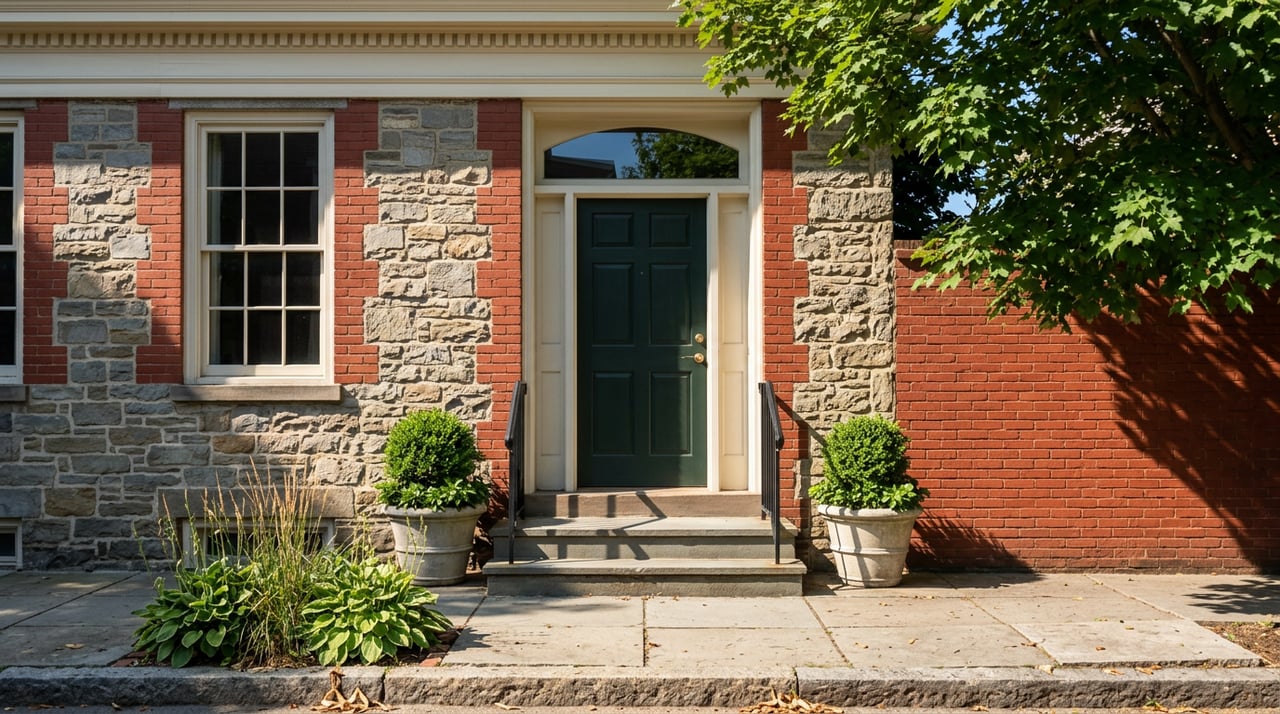
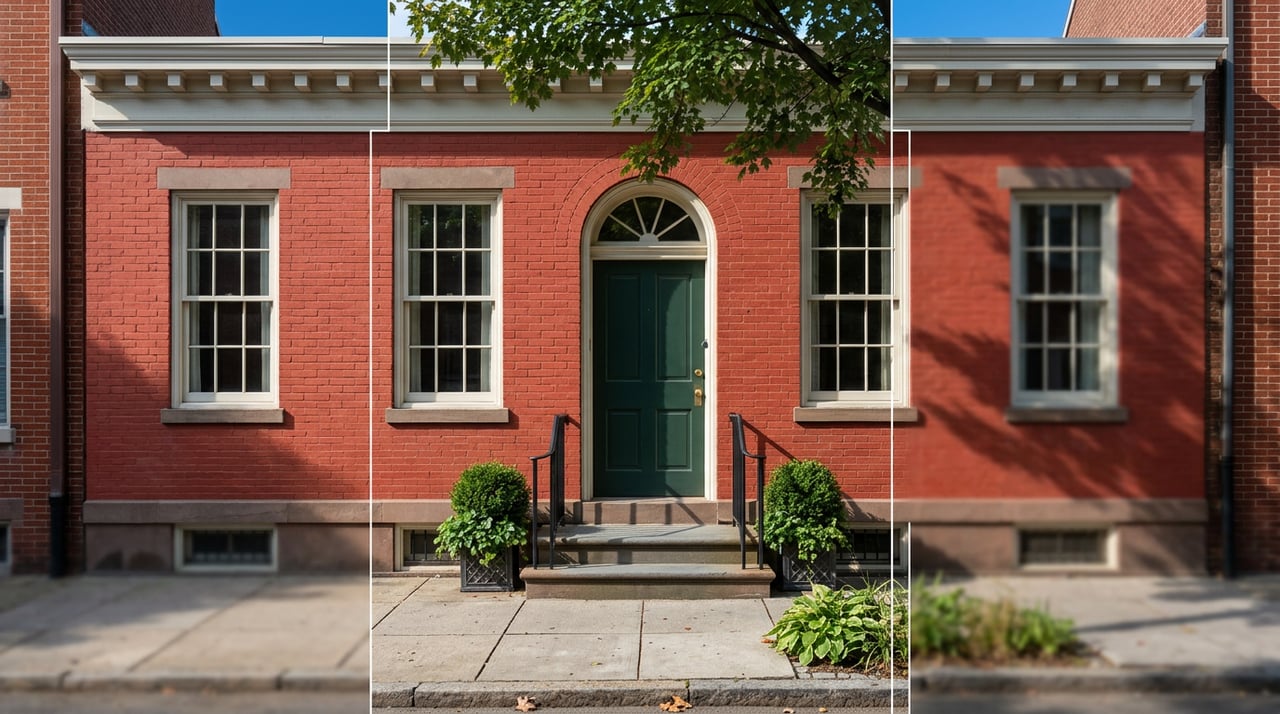
- Front door and curb. Clean or paint the door, refresh mulch, tidy bed lines, and add two matching planters. These modest updates help online thumbnails pop and create a welcoming first look.
Room-by-room playbook
Curb and entry
Your front exterior is the first decision point for many buyers. Keep walkways power-washed and clear. Update house numbers and light fixtures if weathered. In winter, ensure safe, snow-free access. In spring and fall, choose plantings that fit Macungie’s USDA zone 6b climate; this 18062 zone map is a helpful reference.
Living and formal rooms
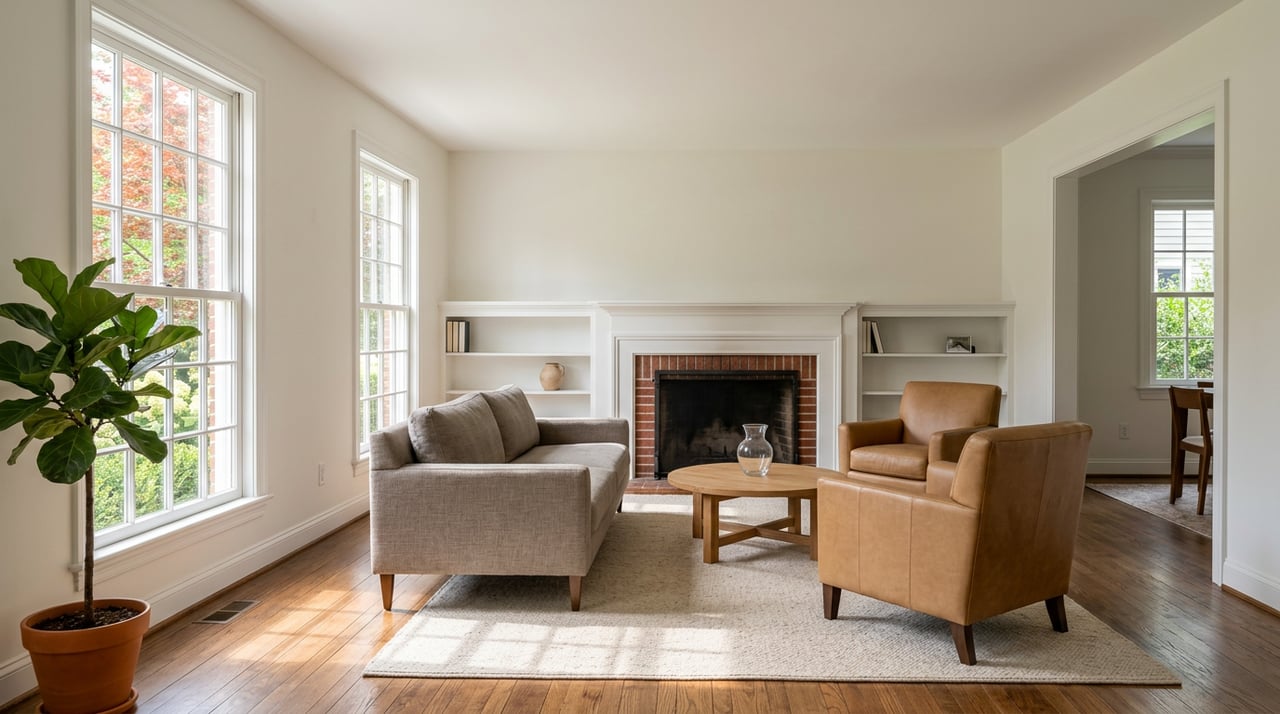
These spaces shape a buyer’s first impression indoors. For historic rooms with moldings, built-ins, or a fireplace, keep furniture scaled to the space so details remain visible. Choose a neutral rug to define seating and keep sightlines open to architectural features. If your home leans more modern, use a simple sofa, two chairs, and a coffee table to show easy conversation flow.
To appreciate the kind of period detail common in the area, glance at Macungie’s Valentine Weaver House. While your home is unique, the principle holds: highlight charm, do not hide it.
Kitchen
Buyers linger on kitchen photos. Clear counters to show workspace. Leave one or two fresh items, like a bowl of green apples or a single vase. Polish appliances and hardware, and regrout or recaulk if needed. The NAR report ranks the kitchen among the top rooms that influence buyers, so even small updates can help. Review the priority-room insights in the NAR staging report.
Dining and flow
Set a simple table for four or six to demonstrate scale and traffic flow. If a formal dining room has been a playroom or workout area, consider staging it back to dining or present it as a flexible formal space in your listing description.
Primary and secondary bedrooms
Make the bed the focal point with layered, neutral bedding and two pillows per side. Remove extra furniture to show walking space and closets. If you have a spare room, stage it as a guest room or a calm office to signal versatility. The primary bedroom is one of the top rooms buyers care about, according to the NAR staging report.
Bathrooms
Hotel-level clean is the goal. Recaulk as needed. Swap dated shower curtains for clear glass or a clean neutral curtain. Add crisp white towels and a small plant. A simple, spotless bath photographs much better. For a practical cleaning mindset, see this pre-list prep guide.
Basements and lower levels
Basements are common in Macungie homes. Define a purpose: media room, gym, or guest suite. Brighten with floor and table lamps if natural light is limited. If you have sump pumps or newer mechanicals, organize the area and note recent service dates in your agent remarks to address buyer concerns about maintenance.
Office or flex space
A simple desk, chair, lamp, and plant show function without crowding. Highlight outlets and natural light where possible. With many buyers working hybrid schedules, a tidy office adds practical value.
Outdoor living
Stage a small seating area on the deck, patio, or a sunny corner of the yard. Keep the hardscape clean and the lawn edged. For older stonework or mature trees, let the natural character lead and choose furnishings that complement a classic look. Reference local plant timing with the 18062 climate map when planning seasonal color.
Garage and storage
Storage sells in suburban markets. Remove clutter, show shelving where possible, and leave clear floor space so buyers can gauge scale.
Prep for photo day
Great photos drive clicks, saves, and showings. Buyers’ agents consistently note the importance of high-quality visuals, video, and tours in the NAR staging report. Use this quick checklist to get ready.
- Declutter every visible surface and store personal items.
- Deep clean and touch up paint where needed. A practical rundown lives in this pre-list prep guide.
- Replace burnt bulbs, match color temperature, and turn on every light. Open blinds for even daylight, as noted in this lighting best-practices piece.
- Hide bins and pet gear, move cars off the driveway, and clear the entry path.
- Set simple vignettes: a bowl of fruit on the island, a book and lamp by a reading chair.
Aim for a complete shot list: curb approach, entry, living room, kitchen hero, primary bed and bath, key secondary rooms, outdoor living, and a twilight exterior if your facade shines at dusk.
Virtual staging the right way
Virtual staging is a smart, low-cost tool for vacant rooms. Label the images clearly and disclose it in your listing remarks. Do not add features that do not exist, like extra windows or new fixtures. For compliance best practices, review this virtual staging disclosure guide.
Budget and timeline
You do not need to overspend to make a strong impact. NAR reports a median professional staging cost around $1,500 in its agent surveys, while RESA’s samples often show investments in the $3,000 to $4,000 range with strong reported ROIs. Check the data summaries in the NAR staging report and RESA statistics.
If the home is vacant or you want to test a layout digitally, virtual staging typically runs about $12 to $80 per photo depending on detail. You can compare price points in this overview of virtual versus traditional staging costs.
Suggested pre-list timeline:
- 3 to 4 weeks out. Declutter, schedule minor repairs, paint priority rooms, and service HVAC if needed.
- 1 to 2 weeks out. Deep clean, refresh landscaping, finalize your staging plan, and book photography.
- Photo day. Follow the checklist above, walk the photographer through the shot list, and capture a twilight exterior if curb appeal is strong.
- Listing day. Upload the full gallery, include floor plans and tours, and add clear disclosure for any virtually staged images.
Seasonal tips for 18062
Macungie’s zone 6b climate brings four distinct seasons. Adjust staging and showing prep to match.
- Winter. Keep walkways de-iced and entrances well lit. Add a dark doormat for salt and snow. Warm lighting and layered throws photograph well.
- Spring. Edge beds, prune shrubs, and refresh mulch. Highlight early perennials for a pop of color. Keep pollen off sills and outdoor furniture.
- Summer. Mow and water regularly, set the thermostat to a comfortable level before showings, and stage a shaded outdoor seating area.
- Fall. Blow leaves from gutters and paths. Use simple harvest accents without cluttering the entry. Showcase tree color in your exterior shots. Use the 18062 climate map to time plantings.
Avoid these common mistakes
- Overfilling rooms. Too much furniture makes spaces feel small in photos.
- Ignoring lighting. Mixed, harsh, or dim bulbs undermine every image.
- Busy counters and nightstands. Visual noise distracts buyers from the home.
- Heavy themes. Keep decor neutral so a wide range of buyers can see themselves living there.
- Skipping the disclosure on virtual staging. Always label and explain it in remarks.
Ready to list with confidence?
When you pair thoughtful staging with premium photography and video, your Macungie home earns more attention and stronger offers. If you want a room-by-room plan, vendor referrals, and a data-backed pricing strategy tailored to your address, connect with Creighton Faust for a complimentary market valuation and a step-by-step launch timeline.
FAQs
Does staging really increase offers in Macungie?
- In NAR’s 2025 survey, about 29% of seller agents said staging led to offers 1 to 10 percent higher, and nearly half reported shorter time on market.
Which rooms should I stage first if I am short on time?
- Prioritize the living room, primary bedroom, and kitchen since these spaces carry the most weight with buyers, according to the NAR staging report.
How much does professional staging cost near Macungie?
- NAR reports a median around $1,500 in agent surveys, while RESA samples often show $3,000 to $4,000 investments with strong reported ROIs; scope and home size drive variance.
Can I use virtual staging instead of bringing in furniture?
- Yes for vacant rooms, but you must label images clearly and disclose it in remarks, and you should not add features that do not exist; see virtual staging disclosure guidance.
How far in advance should I start staging before listing?
- Begin 3 to 4 weeks out to declutter, handle repairs, and paint; finalize staging and book photography 1 to 2 weeks before going live.
Do I need to repaint before listing my Macungie home?
- Repainting high-traffic areas in neutral tones is a cost-effective way to refresh spaces and improves how rooms photograph, which can boost buyer interest.