Wondering whether a condo or townhome is the right fit in Bethlehem? You are not alone. Many buyers love the idea of less exterior work and a simpler day-to-day routine, but they also want to understand fees, rules, parking, and what ownership really means before they commit. This guide will help you compare the lifestyle, ownership structure, and Bethlehem-specific details that matter most so you can make a confident decision. Let’s dive in.
Why the condo vs. townhome question can be tricky
In Bethlehem, the real difference is often not the building style alone. In Pennsylvania, what matters most is how the property is legally organized and what the recorded declaration and bylaws say about maintenance, rules, assessments, and common elements.
That means a townhome-style property may not function the way you expect. Some are condominiums, while others are part of a planned community. Before you focus on layout or curb appeal, it helps to understand who is responsible for what.
How ownership usually works
Condo ownership basics
With a condominium, you typically own the interior unit and share ownership of the common elements with other owners. Under Pennsylvania law, the association generally handles maintenance, repair, and replacement of common elements, while you are responsible for your unit, unless the declaration assigns duties differently.
This setup often appeals to buyers who want less exterior upkeep. If you would rather not manage as much outside maintenance, condo living may feel more streamlined than owning a detached home.
Townhome-style ownership basics
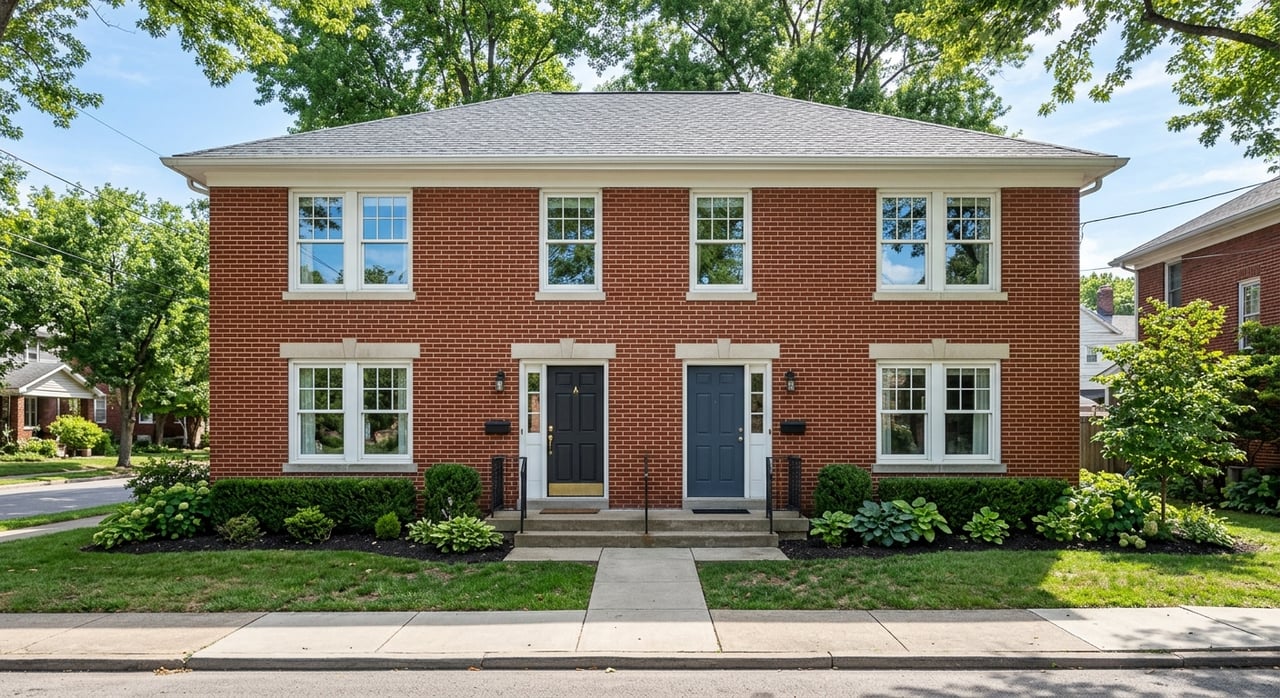
A townhome-style property can be organized as either a condominium or a planned community. That distinction matters because the governing documents decide who maintains common elements, how assessments are charged, and how community rules are enforced.
In planned communities, Pennsylvania law gives associations authority to adopt rules, budget for reserves, collect assessments, regulate common elements, and levy reasonable fines after notice and an opportunity to be heard. In practical terms, that can mean more structure around how the community is run.
Limited common elements to watch for
One of the most common surprises for buyers is that some areas that feel private may not be fully private ownership. Pennsylvania condominium law recognizes limited common elements such as porches, balconies, patios, and certain parking-related areas.
That is why document review matters so much. If you assume a patio, balcony, or parking space is solely yours to alter or maintain, you could run into unexpected restrictions or responsibilities later.
What daily life often feels like
The biggest lifestyle benefit
For many buyers, the main attraction of attached living is lower exterior maintenance. If you want to spend less time on yard work and large exterior projects, a condo or townhome-style property can offer a more manageable routine.
This can be especially appealing if you travel often, have a busy work schedule, or are looking to simplify your homeownership experience. Many buyers like the lock-and-leave convenience that comes with association-managed common areas.
The tradeoffs to consider
That convenience usually comes with monthly dues, community rules, and less autonomy over shared spaces. You may have fewer decisions to make about exterior maintenance, but you may also have less control over changes and use of certain areas.
If you strongly value complete flexibility, attached living may feel limiting. Buyers who want a private yard, broad freedom for exterior changes, or minimal rule enforcement often prefer a detached home instead.
Why Bethlehem can be a strong fit
Parks and trails add value
Bethlehem offers a strong recreation setting for buyers who want an active, connected lifestyle. According to the city, Bethlehem has more than 40 parks, and its trail system includes Monocacy Way, the Sand Island Trail, the South Bethlehem Greenway, and South Mountain Park.
That matters because many condo and townhome buyers are looking for convenience without giving up access to outdoor space. In Bethlehem, you may be able to trade private yard maintenance for easy access to public parks and trails.
Walkability matters to many buyers
The South Bethlehem Greenway is especially relevant if you want a more walkable routine. The city describes it as a rails-to-trails project that transformed about 3 miles of former railroad bed into recreation and pedestrian open space.
For some buyers, that kind of access makes attached living more attractive. If your goal is less maintenance and easier access to outdoor recreation, Bethlehem offers a practical combination.
Bethlehem details buyers should not overlook
Historic district review
If you are considering an older or downtown attached home, exterior changes may involve an added layer of review. Bethlehem states that exterior changes in its historic districts require a Certificate of Appropriateness before a building permit is issued, and the city uses historic review boards for exterior modifications in historic and conservation districts.
This does not mean you should avoid these properties. It simply means you should understand the approval process before you buy, especially if you are already thinking about windows, doors, roofing, or other exterior updates.
Parking questions matter
Parking can be a bigger issue than many buyers expect. Bethlehem has a residential permit parking program intended to reduce on-street parking hardship, but the ordinance states that a permit does not guarantee a parking space.
If parking is important to your routine, ask detailed questions early. You will want to know whether the home includes assigned parking, how guest parking works, and what happens if on-street parking is limited.
Snow emergencies affect parking too
Winter brings another local factor. During a snow emergency, Bethlehem requires vehicles to be moved from designated routes so streets can be plowed, and the city has said certain garages may be available free during the emergency window.
That is especially relevant if the property relies on street parking. Be sure you understand both the city rules and any community-specific procedures before closing.
Recycling may work differently
Bethlehem requires recycling and provides biweekly curbside pickup for residents. The city also notes that apartments may have different procedures.
For condo or townhome buyers, that is a reminder to ask how trash and recycling are handled in the specific community. Day-to-day logistics matter more than many people expect once you move in.
Who condo or townhome living often fits best
Buyers who may love it
Attached living is often a strong fit if you:
- Want less yard work and exterior maintenance
- Prefer a lock-and-leave home because you travel often
- Have a busy schedule and want more convenience
- Like the idea of access to Bethlehem parks and trails without maintaining a large lot
- Are downsizing and want a simpler ownership experience
For these buyers, the tradeoff between fees and convenience can make good sense.
Buyers who may want more space and control
Attached living may be a weaker fit if you:
- Want a private yard
- Expect broad freedom to change the exterior
- Dislike community rules or shared decision-making
- Want minimal oversight over parking, pets, or exterior details
In Bethlehem, these concerns can be even more important if the property is in a historic district or if parking is tight.
Questions to ask before you make an offer
Before you move forward on any condo or townhome-style property in Bethlehem, ask for clear answers to these questions:
- What does the monthly fee cover?
- What maintenance still falls on you as the owner?
- Is the property a condominium or a planned community?
- How do the declaration and bylaws assign maintenance responsibility?
- Are there rental, pet, parking, or exterior-change restrictions?
- Are there any current or planned assessment increases or capital improvement fees?
- If the property is in a historic district, what approvals are required before exterior work begins?
- How does parking work during winter and snow emergencies?
- How are trash and recycling handled in the community?
These answers can tell you a lot about the true cost and lifestyle of the property. They can also help you avoid surprises after closing.
How to decide what is right for you
The best choice comes down to your priorities. If you value lower exterior maintenance, easier day-to-day ownership, and access to Bethlehem’s parks and trail network, a condo or townhome-style property may be a great match.
If you want maximum control, more private outdoor space, and fewer rules, you may be happier looking at detached homes instead. The key is to look beyond the exterior style and understand the legal structure, the community documents, and the local factors that shape daily life.
A smart purchase starts with asking the right questions before you fall in love with the floor plan. If you want help comparing options in Bethlehem and understanding how a specific community is set up, Creighton Faust can help you evaluate the details with clarity and confidence.
FAQs
What is the main difference between a condo and a townhome in Bethlehem?
- In Bethlehem, the biggest difference is often the legal structure and governing documents, not just the exterior style. A townhome-style property may be part of a condominium or a planned community, and that affects maintenance, fees, and rules.
What maintenance does a condo owner usually handle in Pennsylvania?
- Pennsylvania law generally places maintenance, repair, and replacement of common elements on the association, while the owner handles the unit itself, unless the declaration says otherwise.
What should buyers ask about a Bethlehem townhome community before making an offer?
- Ask whether the property is a condominium or planned community, what the monthly fee covers, what restrictions apply, whether assessments may change, and how parking and winter procedures work.
Do Bethlehem historic districts affect condo or townhome ownership?
- Yes. Bethlehem states that exterior changes in its historic districts require a Certificate of Appropriateness before a building permit is issued, so buyers should verify approval requirements before planning exterior work.
Is parking guaranteed with a residential permit in Bethlehem?
- No. Bethlehem’s residential permit parking program is intended to reduce hardship, but the ordinance states that a permit does not guarantee a parking space.
Why do parks and trails matter for attached-home buyers in Bethlehem?
- Many attached-home buyers want less private yard maintenance while still enjoying outdoor access. Bethlehem offers more than 40 parks and a trail system that includes Monocacy Way, the Sand Island Trail, the South Bethlehem Greenway, and South Mountain Park.