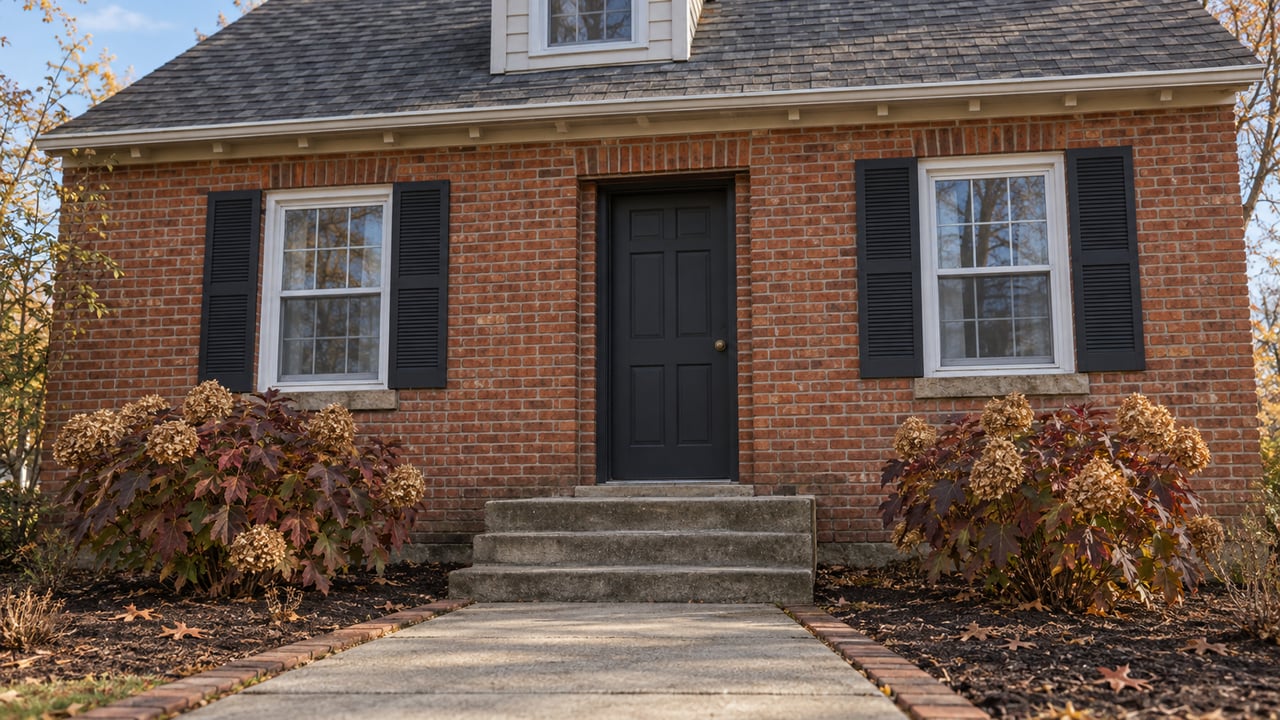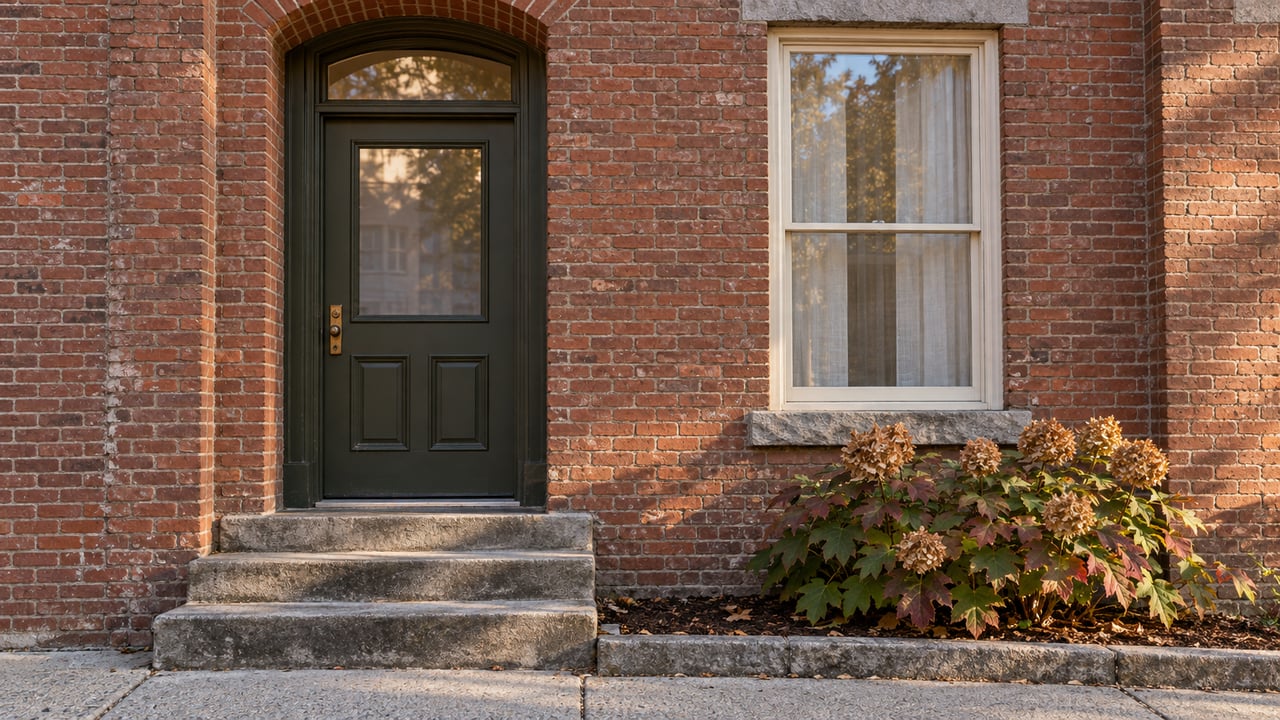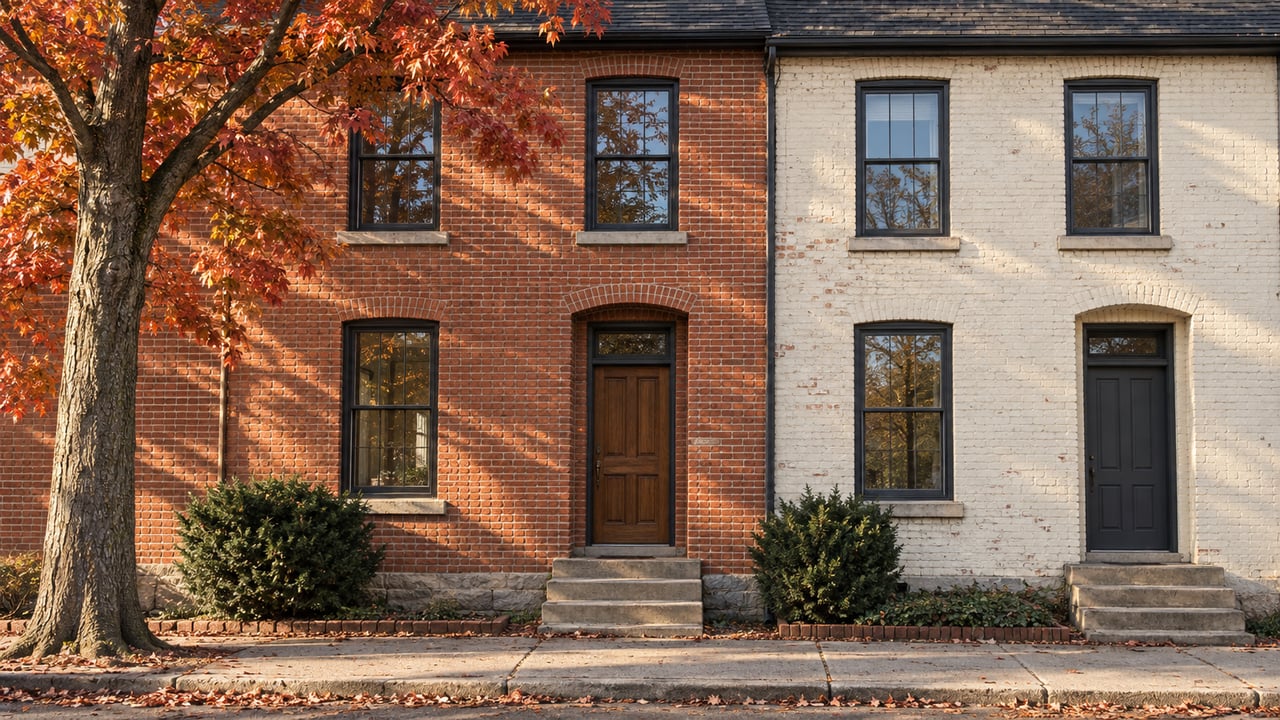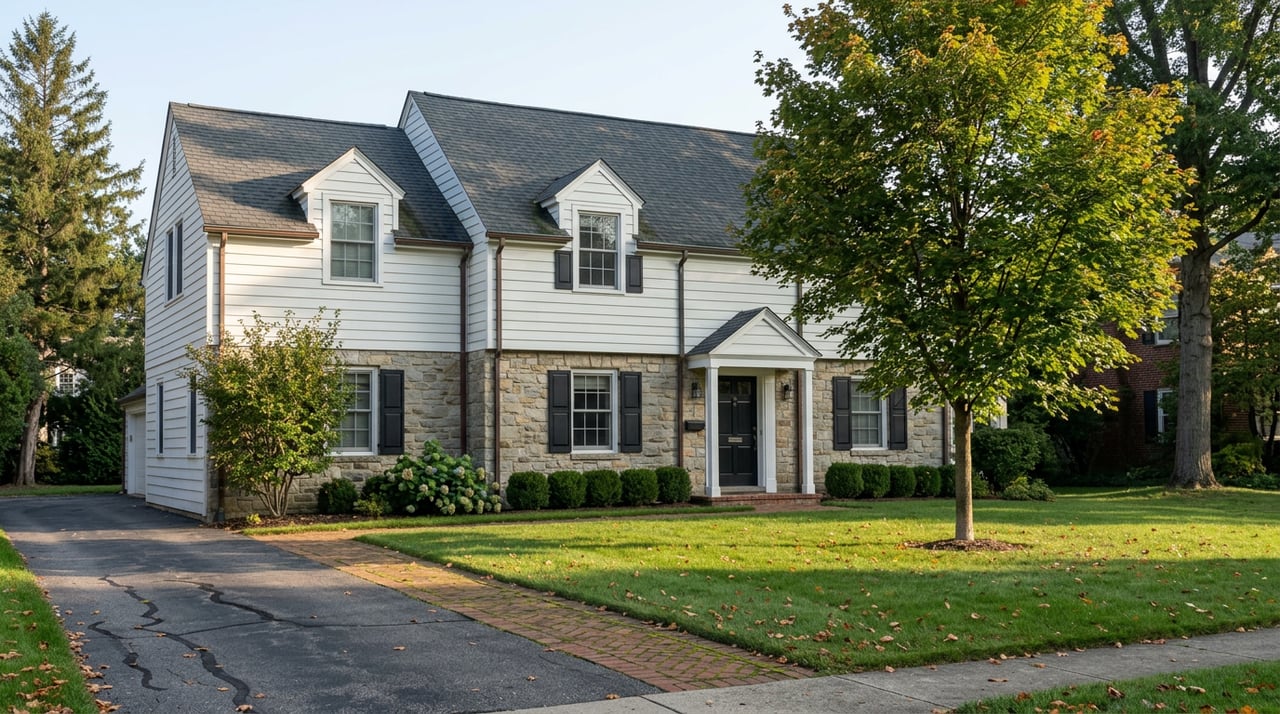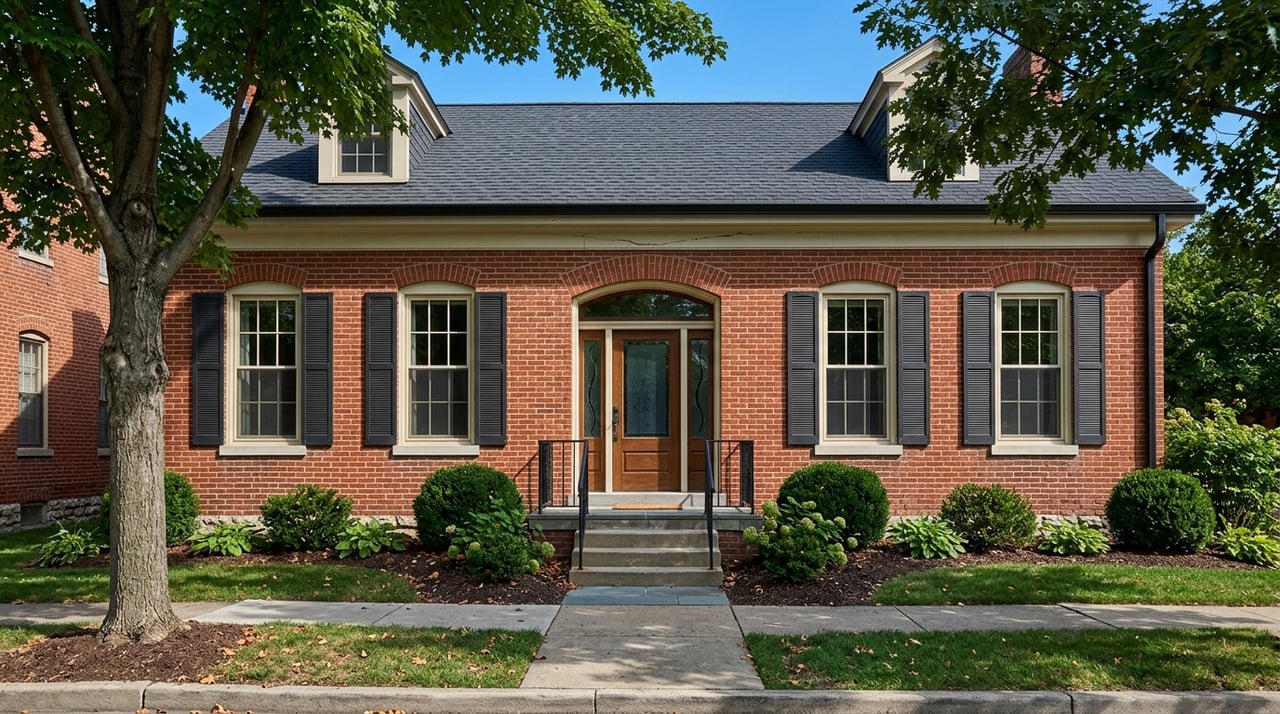
If you love homes with front porches, original details, and a story you can feel the moment you walk up the steps, Catasauqua deserves a closer look. Buying a historic home here can be exciting, but it also comes with practical questions about upkeep, renovations, and long-term costs. This guide will help you understand what historic-home living in Catasauqua really looks like, so you can decide whether the character and responsibility are the right fit for you. Let’s dive in.
Why Catasauqua Has Historic Homes
Catasauqua’s historic housing stock is closely tied to the borough’s industrial roots. In 1839, the Lehigh Coal and Navigation Company hired David Thomas to build the Crane Iron Works, and the borough says the furnace that went into operation on July 4, 1840, became the first commercially successful anthracite-fired iron operation in North America.
That growth helped shape Catasauqua into a town with established older neighborhoods instead of one uniform wave of newer subdivision development. For you as a buyer, that means the historic appeal here is not limited to one standout property or a single block.
The borough also includes two National Register historic districts: Biery’s Port and the Catasauqua Residential Historic District. That broader historic fabric is part of what gives the town its distinct look and feel.
Historic Areas in Catasauqua
Catasauqua Residential Historic District
The Catasauqua Residential Historic District is known for late-19th- and early-20th-century homes with a more prominent architectural presence. National Register materials identify styles such as Colonial Revival, Queen Anne, and Neoclassical Revival, while local walking-tour information also points to Greek Revival and Georgian Revival influences.
In practical terms, you may find houses with large porches, decorative exterior details, formal symmetry, or more varied rooflines and shapes. These homes often reflect traditional layouts, which can mean separate front rooms, central stair halls, and less of the open-concept flow common in newer construction.
This district is also more varied than many buyers expect. In addition to larger detached homes, the area includes rowhouses, triplets, duplex conversions, and some buildings that have seen apartment use over time.
Biery’s Port
Biery’s Port offers a different historic setting. It developed as an older canal- and river-side section of town with a mix of residential, commercial, and industrial uses.
That history gives the area a more compact, connected feel. The neighborhood includes Victorian-era homes and a streetscape that reflects its long-standing mixed-use character.
What Historic Homes Often Look Like
If you are considering a historic home in Catasauqua, it helps to know what the architecture may mean for daily living. Queen Anne homes are often asymmetrical and may feature intersecting rooflines, porches, spindlework, or decorative shingles.
Colonial Revival and Georgian-influenced homes tend to be more symmetrical and classically detailed. You may see columns, fanlights, sidelights, and balanced front facades that create a more formal appearance.
Inside, these homes often prioritize defined rooms over wide, open spaces. That can be a major plus if you value character and separation of space, but it is worth thinking through if your ideal home depends on a newer layout.
What Day-to-Day Ownership Involves
Living in a historic home usually means a different maintenance mindset. In Catasauqua, owners of regulated historic buildings are expected to maintain important exterior elements such as roofs, cornices, columns, beams, posts, and lintels so the property does not fall into serious deterioration.
For you, that means routine maintenance matters. Small issues with drainage, masonry, paint, windows, or porch details can become much more expensive if they are ignored.
Historic preservation guidance also recommends repairing original materials when possible instead of replacing them outright. That approach can help preserve the home’s character, but it may affect how you budget and plan future projects.
Windows and Masonry Need Extra Care
Historic windows are a common example. Preservation guidance recommends repairing original windows first, and if replacement becomes necessary, matching the original design and visual appearance as closely as possible.
Masonry also deserves close attention. Repointing brick or stone with the wrong mortar can damage the material, so this is one area where careful planning and qualified help can make a real difference.
Lead Safety Matters in Older Homes
If a home was built before 1978, lead-based paint may be present. Renovation work such as sanding, scraping, or replacing windows can create hazardous dust and paint chips.
That does not mean you should avoid older homes. It does mean you should budget for lead-safe renovation practices and ask the right questions before starting work.
Flooding and Ground Conditions to Check
Catasauqua’s local hazard information adds another layer to your due diligence. The borough notes that flood losses are typically not covered by standard homeowner policies, and flood insurance includes a 30-day waiting period.
The borough also warns that limestone-based soils can be prone to sinkholes that may develop suddenly and expand quickly. If you are evaluating a historic home, it is smart to look carefully at basement moisture, grading, foundation cracks, and any signs of movement around utilities or site drainage.
These are not reasons to rule out a property automatically. They are reasons to investigate early so you understand the full ownership picture.
Renovating a Historic Home in Catasauqua
If you plan to update a historic home, exterior work is where local rules matter most. Catasauqua’s historic overlay applies to principal buildings within a historic district shown on the zoning map, and it does not apply to buildings or additions the zoning officer knows were built after 1940.
The borough code says partial or complete demolition visible from a public street must go through the special-exception process. Interior renovations or removal of non-visible features, such as a rear porch, can be treated more flexibly.
Exterior Changes Usually Need More Review
The borough’s advisory guidelines point toward changes that fit older streetscapes. In general, rear additions, compatible rooflines, and street-visible materials such as brick or stone tend to align better with the local context.
For many buyers, that means updates like a rear kitchen addition, mechanical improvements, attic work, rear-bay changes, or porch restoration may be more practical than a large front-facing expansion. Before starting plans, you should verify whether the specific property is subject to overlay rules or any other local review process.
National Register Status Is Not the Same as Local Rules
This is an important distinction for buyers. National Register listing by itself does not place federal restrictions on what a private owner may do with a property.
Local rules can still apply, however, so it is important not to assume that a historic designation tells the whole story. In Catasauqua, local zoning and review requirements are what you need to confirm before making exterior changes.
Are There Historic Tax Credits for Homeowners?
Many buyers ask whether tax credits can offset the cost of a historic-home purchase. In Pennsylvania, the answer for owner-occupied homes is usually no.
The Pennsylvania Historical & Museum Commission says there are no historic tax credit programs available to private homeowners, and the federal and Pennsylvania preservation tax credit programs are intended for income-producing properties rather than private residences. If you are buying a home to live in, it is usually wiser to plan your budget around maintenance and improvement costs instead of credit-based assumptions.
Who Is a Good Fit for a Historic Home?
Historic-home living in Catasauqua is often a great fit if you value original architecture, established streetscapes, and details that newer homes rarely replicate. You may appreciate the experience most if you see upkeep as part of ownership rather than an occasional inconvenience.
A historic home may be less ideal if your priority is low-maintenance living or a fully open, newer-style floor plan. The right match comes down to your lifestyle, your renovation comfort level, and how much you value character.
How to Shop Smart in Catasauqua
When you tour historic homes in Catasauqua, keep your eye on both charm and condition. Ask practical questions about roof age, drainage, masonry repairs, window condition, porch structure, and any history of basement moisture.
You should also ask whether the property falls within the borough’s historic overlay and whether any prior additions or exterior changes were reviewed locally. A thoughtful buying strategy can help you enjoy the home’s character while avoiding preventable surprises.
If you are considering a historic home in Catasauqua, working with a local agent who understands both the housing stock and the practical side of ownership can make the process much smoother. For tailored guidance on buying or selling in the Lehigh Valley, connect with Creighton Faust.
FAQs
What makes a home historic in Catasauqua?
- In Catasauqua, many historic homes are located within areas shaped by the borough’s industrial past, including Biery’s Port and the Catasauqua Residential Historic District, where older architectural styles and long-established streetscapes remain part of the town’s character.
What architectural styles can you find in Catasauqua historic districts?
- Buyers may see Queen Anne, Colonial Revival, Neoclassical Revival, Greek Revival, and Georgian Revival influences, along with a mix of detached homes, rowhouses, duplex conversions, and other adapted building types.
What should buyers inspect in a historic home in Catasauqua?
- Pay close attention to roof drainage, masonry, paint, windows, porches, basement moisture, grading, foundation cracks, and any signs of movement or deferred maintenance.
Do Catasauqua historic homes have renovation restrictions?
- Exterior changes may be subject to borough historic overlay rules, especially if demolition is visible from a public street, while interior work and some non-visible exterior changes may be treated more flexibly.
Are there historic tax credits for owner-occupied homes in Pennsylvania?
- In general, no. Pennsylvania says historic tax credit programs are not available to private homeowners and are aimed at income-producing properties rather than owner-occupied residences.
Is a historic home in Catasauqua a good fit for every buyer?
- Not always. Historic homes often suit buyers who value architectural character and are comfortable budgeting for ongoing maintenance, preservation-minded repairs, and careful planning for updates.