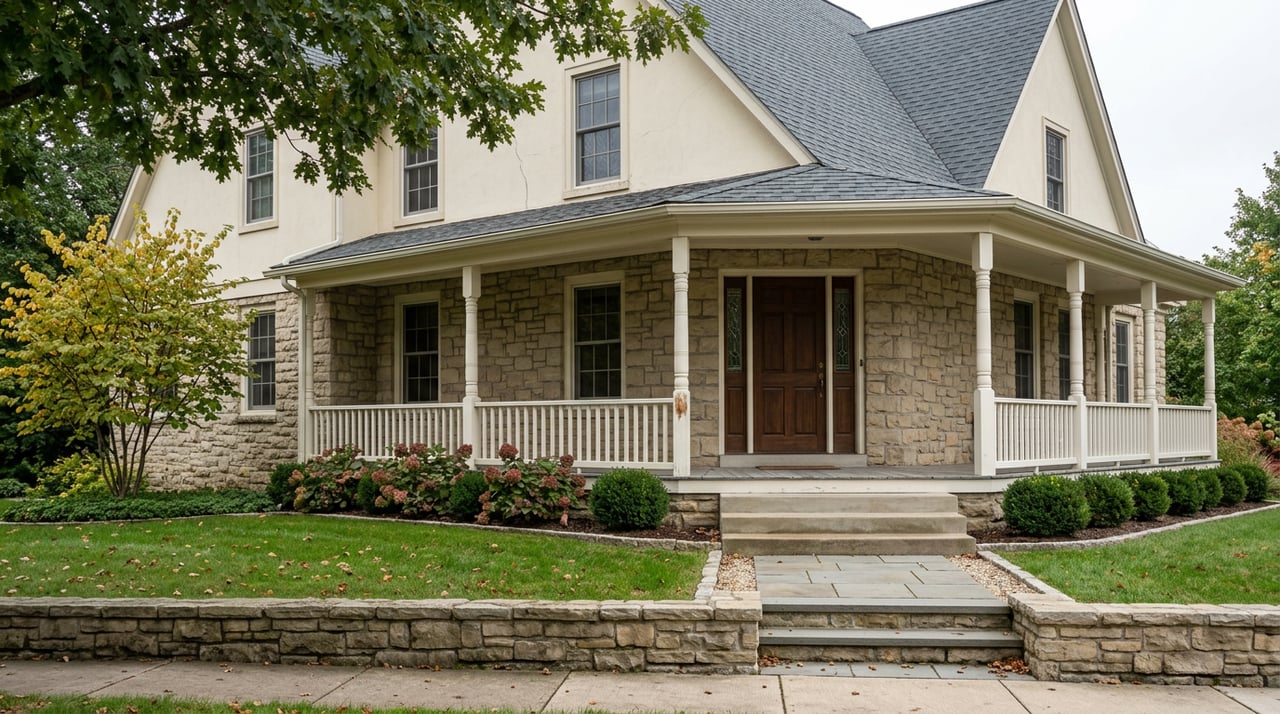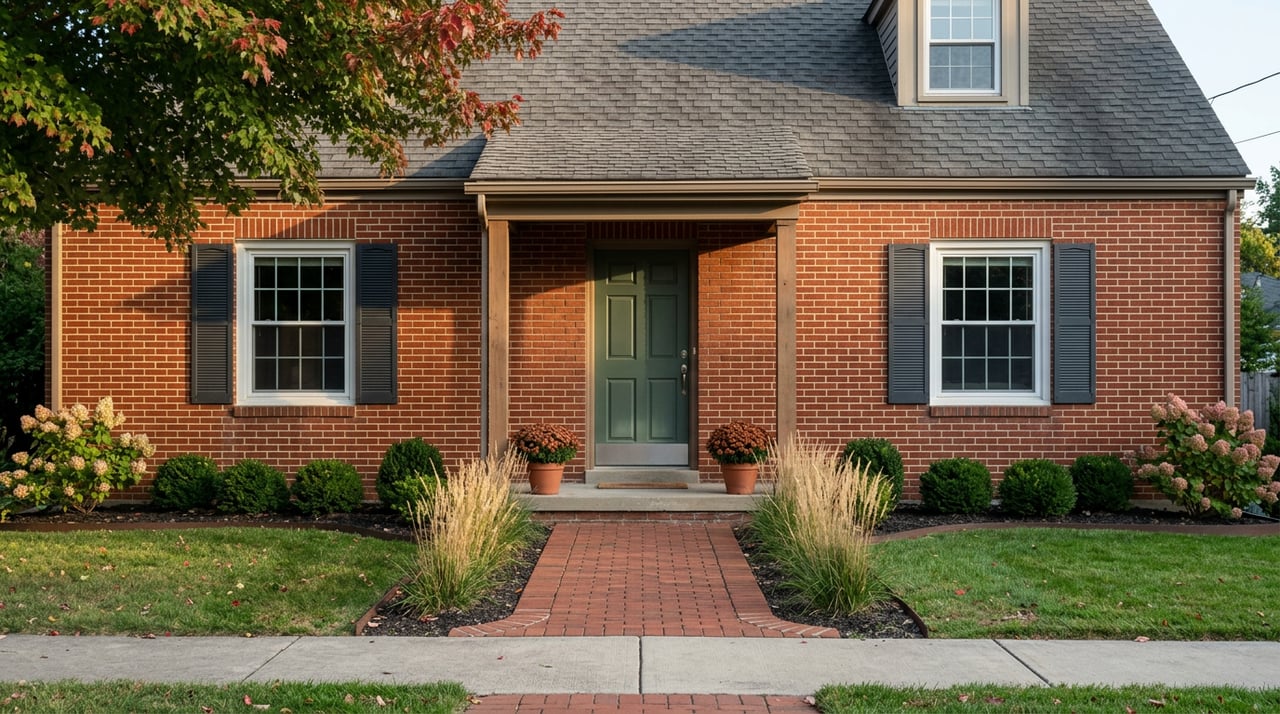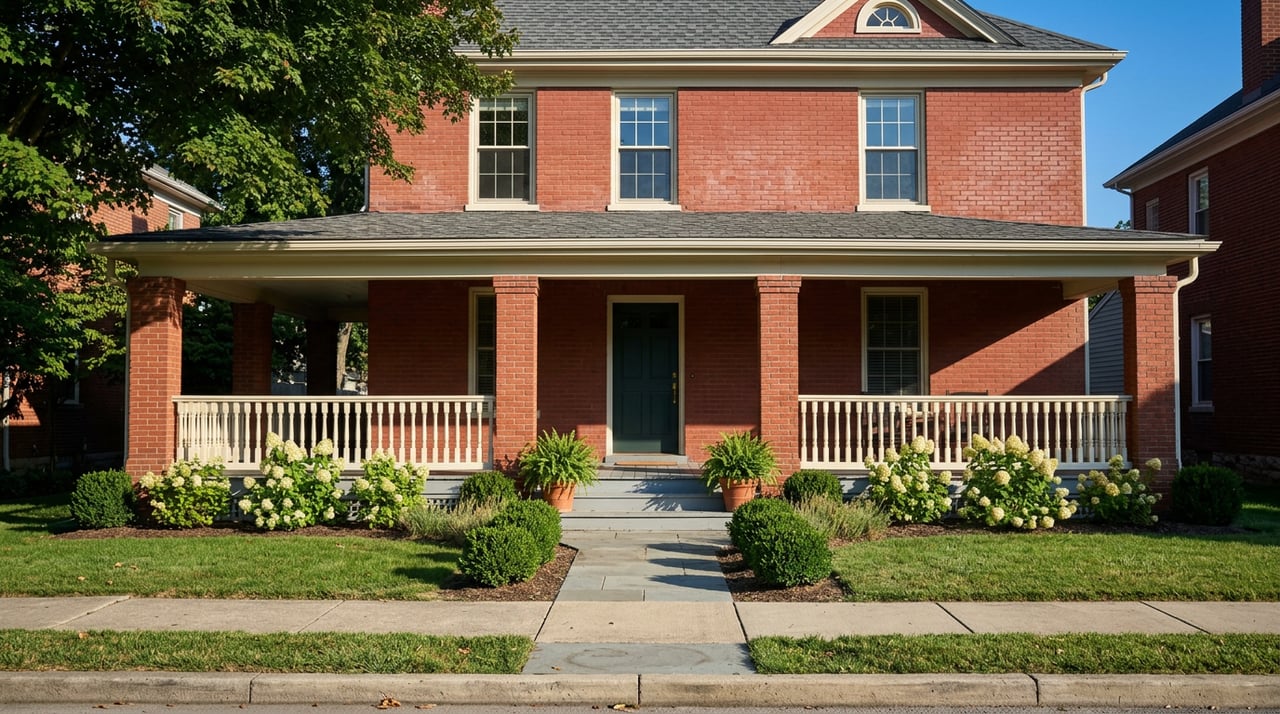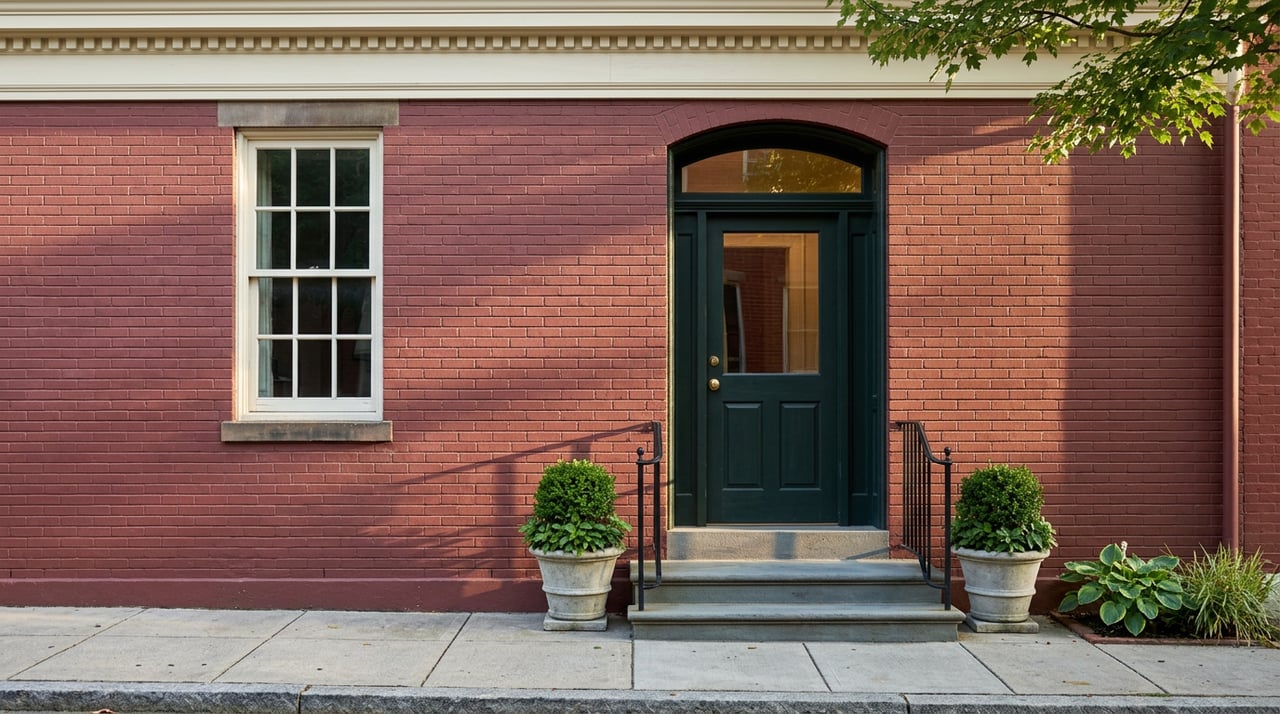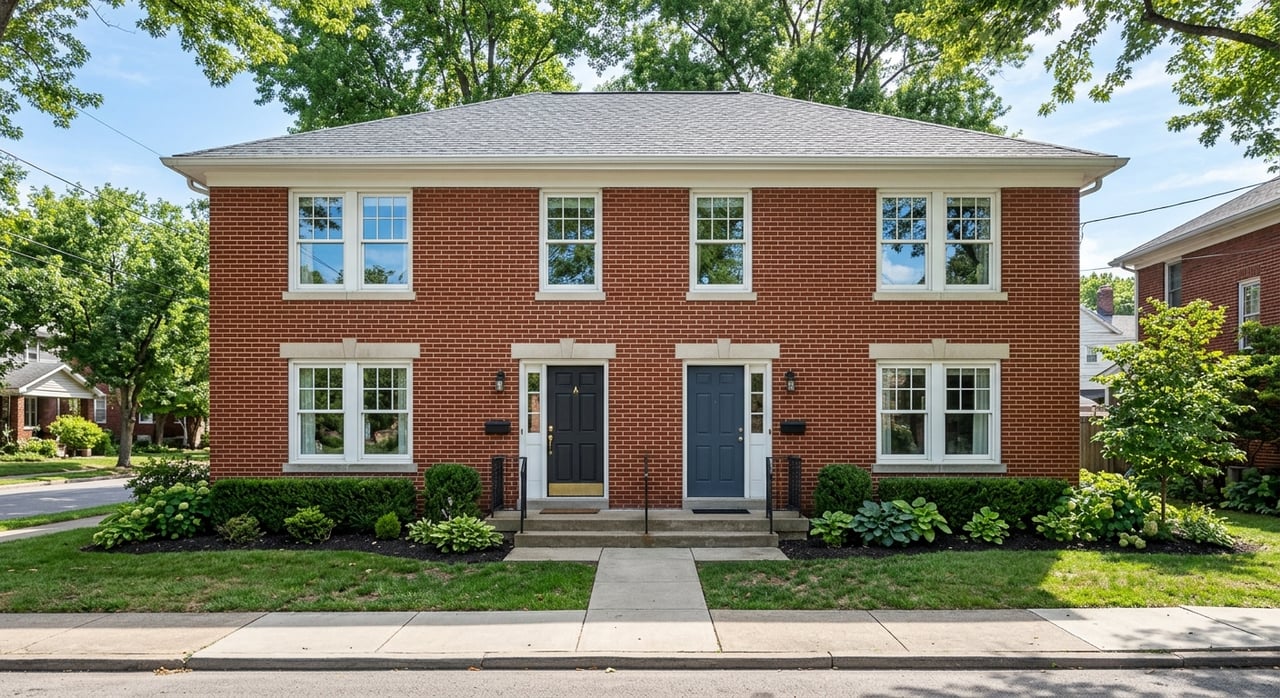
Looking for an affordable entry point into Lehigh Valley real estate investing? Catasauqua deserves a closer look. If you want a small-town market with practical price points, a mix of housing types, and access to major employment centers nearby, this borough can be a smart place to start. In this guide, you’ll learn what makes Catasauqua appealing, what to watch for before you buy, and how local rules can shape your investment plan. Let’s dive in.
Why Catasauqua Stands Out
Catasauqua is a compact borough in Lehigh County with 6,518 residents and a footprint of about 1.3 square miles. It sits near Allentown and Bethlehem, with the Lehigh River along its southwest edge and Catasauqua Creek running through town. That location helps explain why the borough can appeal to buyers and renters who value convenience and access to the broader Lehigh Valley.
From a pricing standpoint, Catasauqua looks more moderate than many buyers expect in this region. Census QuickFacts for 2020 to 2024 show a median owner-occupied home value of $209,900 and a median gross rent of $1,031. Those figures are below Pennsylvania statewide medians, which suggests a more budget-friendly market, though that does not guarantee returns.
The borough also has a high owner-occupied housing rate at 73.5%. For you as an investor, that can mean you are buying into an established residential environment rather than a market dominated by rentals. In a starter market, that can be an important part of your long-term risk review.
What Property Types You’ll Find
One reason Catasauqua can work for newer investors is its variety of housing types. The borough’s zoning districts include low-, medium-, and high-density residential areas, along with commercial, mixed-use, waterfront, office, and institutional districts. In plain terms, that means the local code recognizes a broad range of real estate uses.
For residential investors, the most relevant property types include:
- Single-family detached homes
- Twin dwelling units
- Townhouses and rowhouses
- Apartments
- Midrise apartments
- Conversion apartments
That mix gives you options depending on your budget and strategy. You might start with a detached home, consider an attached property with lower acquisition costs, or evaluate a small multifamily if you want more than one income stream from a single purchase.
Why Location Matters in Catasauqua
Catasauqua’s size is part of its appeal. It functions as a compact borough with local services, municipal utilities, and access to nearby city job centers. That setting can support demand from renters or buyers who want a manageable commute and practical housing choices.
There is also a longer-term redevelopment story worth watching. The borough’s vision for the Iron Works site along the Lehigh River and D&L Rail Trail includes preliminary plans for 45 townhouses, 250 apartment units, and 10,000 square feet of commercial space. While future development is never a guarantee of investment success, projects like this can matter because they shape how people think about a borough’s direction and momentum.
What to Evaluate Before You Buy
In Catasauqua, property condition should be one of your first filters. Lehigh County planning documents identify the borough as part of an older, built-up housing area where rehabilitation needs are often more common than in newer townships. That means your due diligence should go beyond cosmetic updates.
When you evaluate a property, pay close attention to:
- Roof age and visible wear
- Heating and cooling systems
- Plumbing condition
- Electrical service and panel updates
- Signs of moisture or water intrusion
- Foundation concerns
- Near-term repair budgets
Older housing can still be a strong investment, but only if you go in with a realistic repair plan. A property that looks affordable on paper can become much more expensive if major systems are near the end of their useful life.
Lead Paint and Older Homes
If you are looking at an older home, lead-related issues may be part of your review. Lead-based paint was banned for homes in 1978, and deteriorating lead paint can create a hazard. For most pre-1978 homes, federal lead disclosure rules apply, and Pennsylvania Department of Labor and Industry requirements can apply to certain lead abatement work.
For you, the takeaway is simple: older properties may require more planning before renovation. If you intend to update units, turn over tenants, or make repairs, you should account for disclosure requirements and lead-safe renovation practices as part of your timeline and budget.
Small Multifamily Factors to Check
If you are comparing a duplex-style property or another small multifamily option, layout matters almost as much as price. A building with awkward access or poor circulation can be harder to lease and harder to manage. The same is true for limited parking or safety issues.
As you review a small multifamily property, look closely at:
- Separate entrances for each unit
- Interior and exterior circulation
- Parking availability
- Egress and safety features
- Utility setup and maintenance responsibilities
These details can affect everyday operations and tenant experience. They can also influence renovation costs if the building needs updates to function more efficiently.
Floodplain and Waterfront Considerations
Because Catasauqua sits near both the Lehigh River and Catasauqua Creek, site review is especially important for some properties. The borough zoning code includes a floodplain overlay district, and waterfront-related districts are also part of the local framework. If a property is near the river or creek, you should take a closer look before moving forward.
That does not mean river-adjacent property is off limits. It means you should review the location carefully, understand whether additional insurance may be needed, and factor site-specific conditions into your investment analysis. In a market with water features, that extra diligence is part of buying smart.
Local Utility Costs and Operations
Your monthly budget should include more than a mortgage, taxes, and repairs. Catasauqua lists separate contacts for water, wastewater treatment, public works, and water, sewer, and refuse billing. For an investor, that is a reminder to understand how local utility charges and municipal services may affect operating costs.
This is especially important if you are underwriting a rental. Even modest recurring charges can shape your cash flow over time. Building a reserve for maintenance and understanding how utilities are billed can help you avoid surprises after closing.
Rental Rules You Need to Know
Catasauqua is not a market where you can treat rental compliance as an afterthought. The borough states that existing homes bought or sold do not require a municipal inspection, but all rental properties must have a rental license and a certificate of occupancy. Rental properties are also subject to inspections every two years.
The current 2026 rental application outlines a $75 per-unit annual fee. It also requires a tenant list and says out-of-area owners must designate a local manager within 5 miles. In addition, the borough requires notice of tenant changes within 10 days.
For a starter investor, this matters a lot. You need to underwrite not just the property, but also the time, paperwork, and local management structure required to stay compliant.
A Simple Starter Strategy
If you are new to investing in Catasauqua, keeping your first purchase straightforward is often the best move. A simpler property can make it easier to learn the local market, understand operating costs, and manage repairs without taking on too much complexity at once.
A practical approach may look like this:
- Set a realistic budget for purchase and repairs.
- Focus on property types you understand, such as a single-family home, twin, or small multifamily.
- Review zoning and rental requirements early.
- Inspect carefully with extra attention to age-related issues.
- Confirm utility, insurance, and compliance costs before you commit.
- Build in reserves for repairs and turnover.
This kind of disciplined process fits a market like Catasauqua well. It helps you avoid buying based only on a low list price and instead make decisions based on the full cost of ownership.
How Creighton Faust Can Help
When you are investing in a smaller borough, local knowledge matters. Catasauqua is not just about price point. It is about knowing how housing type, condition, municipal rules, and location all work together in the real world.
That is where a data-driven, locally rooted advisor can add value. With deep Lehigh Valley experience, Creighton Faust helps buyers approach opportunities with clear market context, practical guidance, and disciplined evaluation. If you want a smart start in Catasauqua real estate, connect with Creighton Faust for expert local insight.
FAQs
What makes Catasauqua real estate appealing to new investors?
- Catasauqua offers a relatively moderate price point, a mix of property types, and a location near Allentown and Bethlehem, which can make it attractive for first-time investors exploring the Lehigh Valley.
What property types can you invest in within Catasauqua?
- Local zoning and definitions recognize single-family detached homes, twin dwellings, townhouses, rowhouses, apartments, midrise apartments, and conversion apartments.
What should you inspect first in an older Catasauqua property?
- In an older property, you should pay close attention to the roof, mechanical systems, plumbing, electrical, moisture issues, and the likely cost of near-term repairs.
What rental rules apply to investment property in Catasauqua?
- Rental properties in Catasauqua need a rental license and certificate of occupancy, are inspected every two years, carry a $75 per-unit annual fee under the current 2026 application, and may require a local manager if the owner lives outside the area.
What should you know about flood risk in Catasauqua real estate?
- Because the borough includes a floodplain overlay district and sits near the Lehigh River and Catasauqua Creek, properties in those areas deserve extra site review and possible insurance planning.
What operating costs should you plan for in Catasauqua rentals?
- In addition to repairs and reserves, you should account for municipal utility-related costs tied to water, wastewater, sewer, and refuse billing as part of your operating budget.