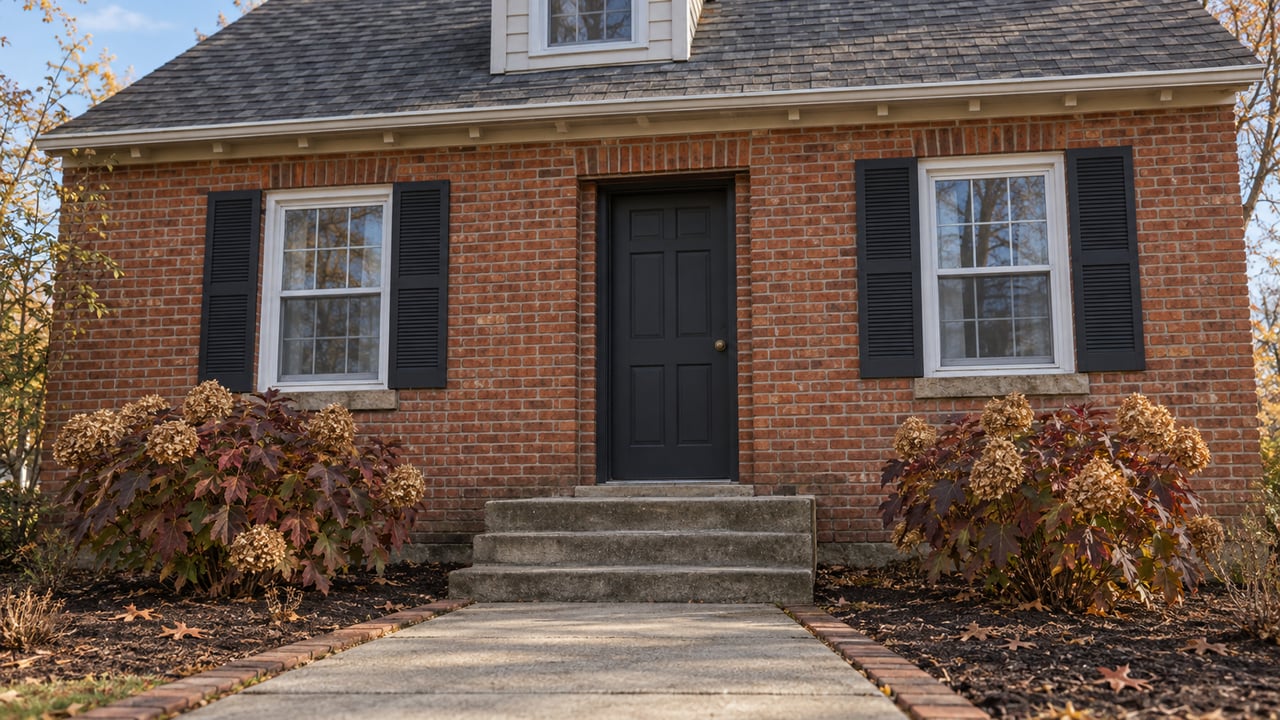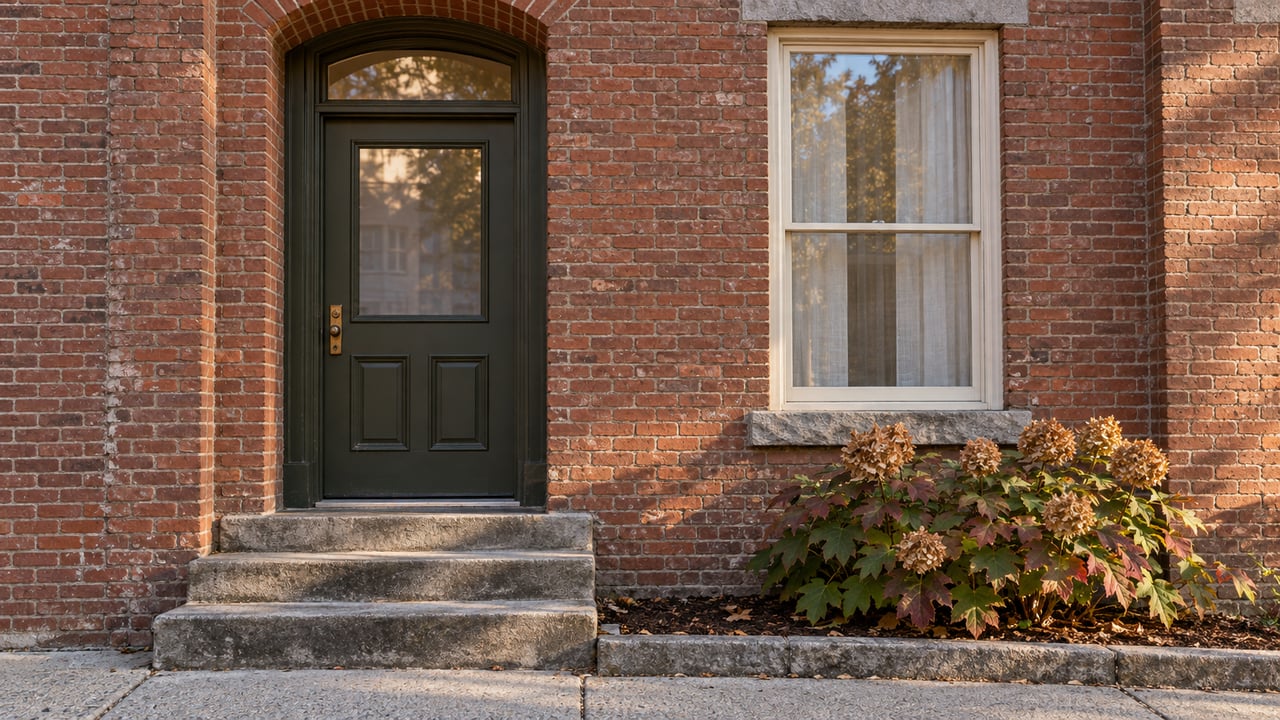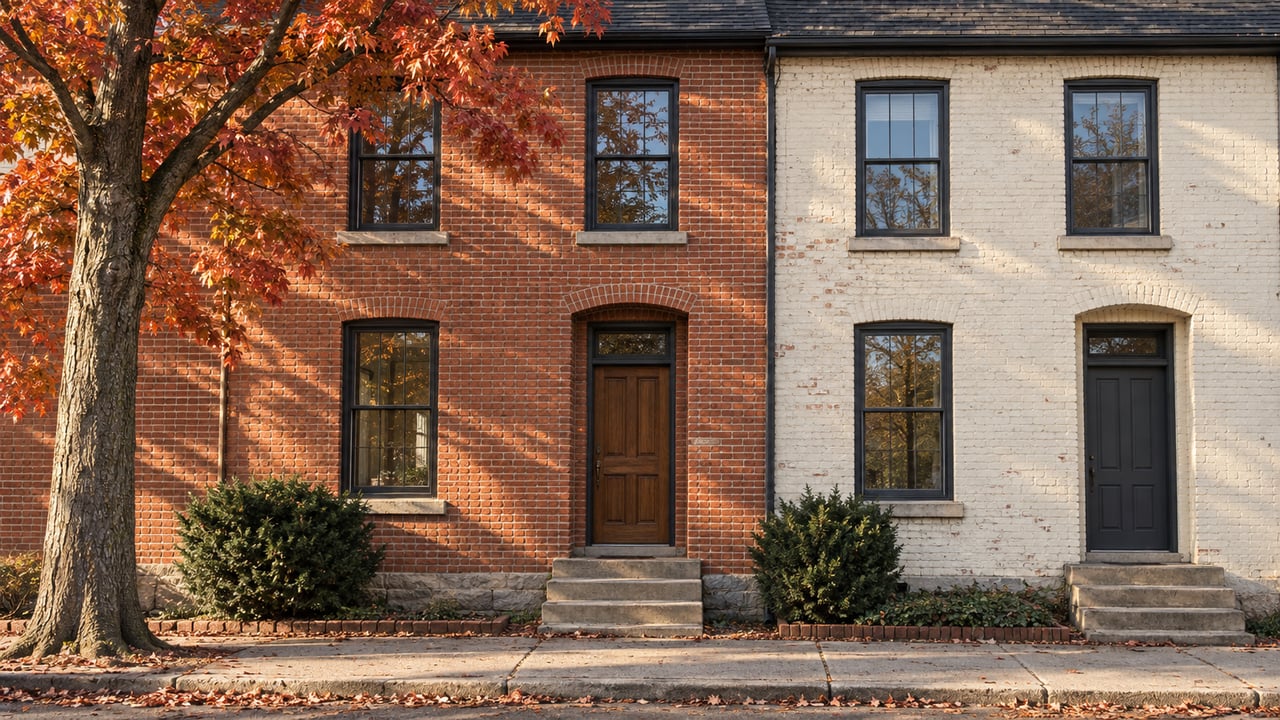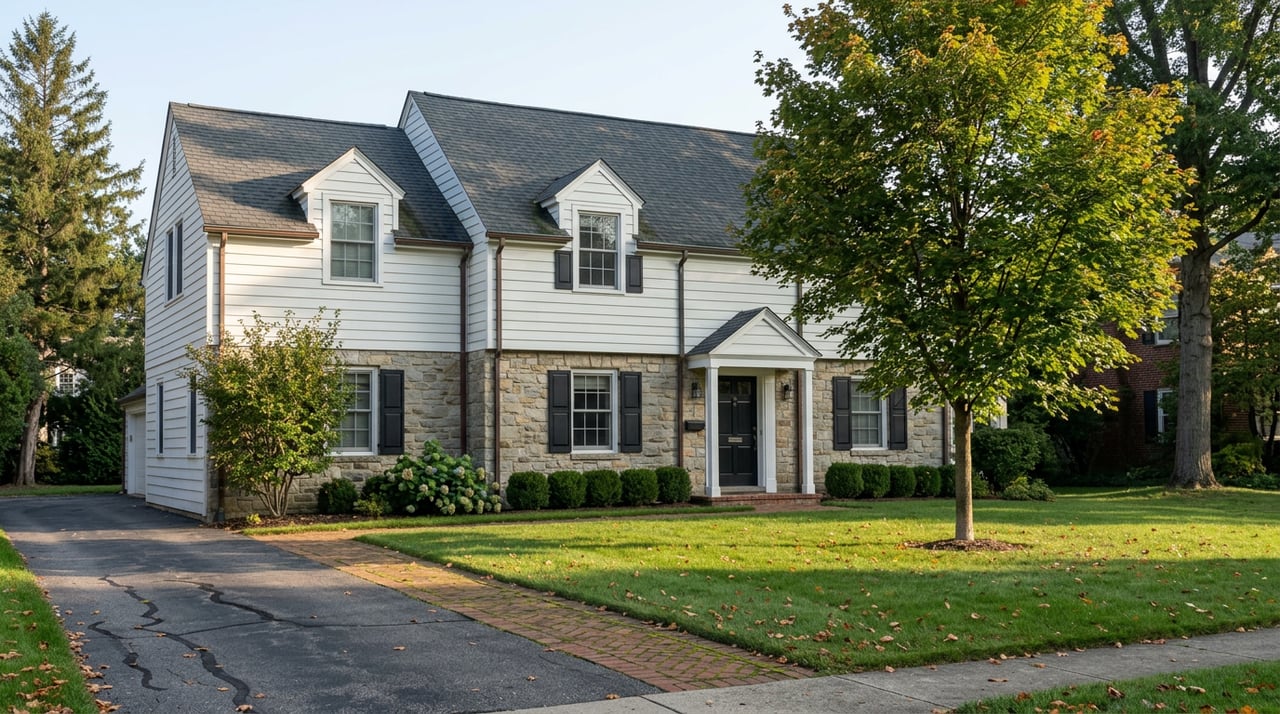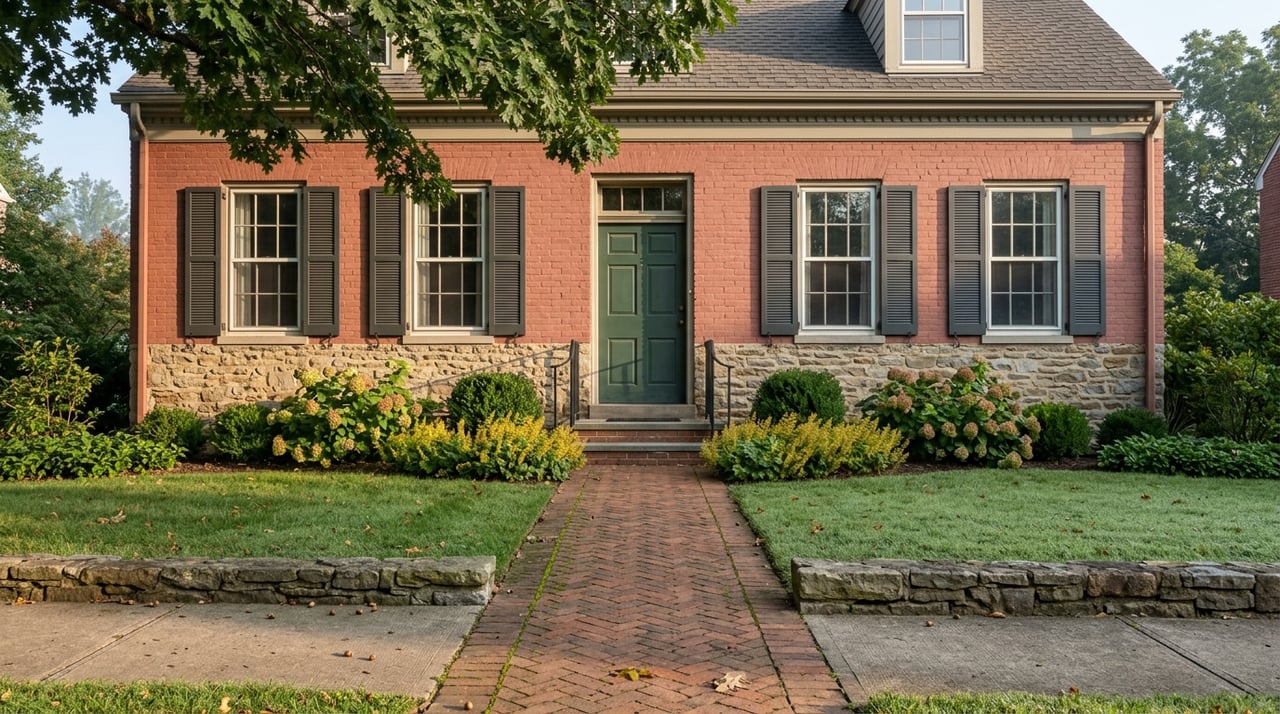
A rowhome in Bethlehem's historic core can go from listing to signed offer in about two and a half weeks right now. A shutter swap on the same rowhome, if it needs a Certificate of Appropriateness, can take almost as long just to get on an agenda. That gap is the thing most sellers never plan for, and it is the reason a well-priced historic home can still stall a closing timeline through no fault of the buyer, the seller, or the agent.
Bethlehem homes sold for a median price of $424,900 in July 2026, moving in 16 days on average, down from 26 days the year before. By August, homes listed for a median $425K were spending just 17 days on the market, a 34 percent drop from the same month in 2025. That is a market rewarding speed. Meanwhile, the city's two historic review boards each meet once a month, and a standard application needs to land two to four weeks before that single meeting just to be considered. If your renovation or repair requires board review, the city's calendar, not the buyer pool, sets your pace.
Two Boards, One River, Different Clocks
Here is the part that trips up even longtime residents: "historic Bethlehem" is not one review process. It is two, split by the Lehigh River.
North of the river, the Historic Architectural Review Board, known as HARB, reviews exterior changes requiring a Certificate of Appropriateness within the Central Bethlehem Historic District. South of the river, and over on the west side, the Historic Conservation Commission, or HCC, covers the South Bethlehem Historic Conservation District and the Mount Airy Neighborhood District. Both boards use the same application form, but they run on separate calendars with separate lead times.
| HARB (North Side) | HCC (South Side & Mount Airy) | |
|---|---|---|
| Covers | Central Bethlehem Historic District | South Bethlehem Historic Conservation District, Mount Airy |
| Meets | First Wednesday, 5:00 PM | Third Monday, 6:00 PM |
| Standard application lead time | 4 weeks before the meeting | 2 weeks before the meeting |
| Demolition or new construction | Pre-application meeting with the Historic Preservation Officer required, plus 4 weeks' notice | Reviewed on the standard cycle |
That four-week versus two-week difference is easy to miss if you assume the rules are identical on both sides of town. A homeowner on the north side planning a fall exterior refresh has to think a full month ahead of the meeting date, not two weeks. Miss the window by a single day and the project waits for next month's agenda, full stop, because neither board convenes more than once every four weeks.
The Inspection Nobody Mentions Until It's Due
Separate from either historic board, Bethlehem has a citywide ordinance, Article 119, that applies the moment you decide to sell. Under it, a seller or their agent has to contact the city's Housing Inspections Office to schedule an inspection within ten business days of listing the property. The resulting report, which flags any uncorrected housing, building, safety, or fire code violations, gets attached as an addendum to the agreement of sale. Sellers also have to disclose any notice of assessment for public improvements tied to the property.
This is not a historic district requirement. It applies citywide. But it lands with more force on a historic home, because if that inspection turns up something that needs correcting on the exterior, fixing it might route you straight into the HARB or HCC process before you can even close out the addendum. Two unrelated clocks, one triggered by a 10-business-day statute and the other by a monthly board meeting, can end up running at the same time on the same property.
What Actually Needs a Certificate, and What Doesn't
Not every repair triggers a review. HARB also has no authority over interior work.
That distinction matters for anyone prepping a listing. Refreshing the trim in the same color is a weekend project.
The City Takes This Seriously at Every Scale
It is tempting to assume this level of scrutiny is reserved for big commercial projects, not a single-family rowhome getting new shutters. The record says otherwise, and it also shows how long these reviews can stretch when a project is contested.
On East Third Street in the South Side Historic Conservation District, a long-vacant building is now finished after an eight- to nine-month gut renovation of roughly 17,000 square feet, reborn as a mixed-use property called the Emerald on Third, now on the market for sale or lease with zoning approval for five residential units transferring with it. That timeline reflects construction, not board review, but it shows how much runway a serious historic rehab actually needs before it is sellable.
The New Street Apartments project tells the sharper version of the story. To clear the way for a seven-story building at 327 South New Street, the developer needed the Historic Conservation Commission to approve demolishing four existing structures, including one with an Italianate façade the commission had fought to preserve. The applicant ultimately had to submit an economic hardship analysis showing it would cost $250,800 to integrate the existing façade into the new design before the commission would let the demolition proceed. City Council ultimately approved the Certificate of Appropriateness in a 4-3 vote. That is not a quick monthly rubber stamp.
Sequencing Your Sale Around the City's Calendar
None of this means selling a historic Bethlehem home is harder than it should be. It means the sequence matters more than it does in a non-historic neighborhood, and getting the order right is what keeps a fast market from working against you instead of for you.
- Confirm which side of the river your home falls on, and with it, whether HARB or HCC has jurisdiction. The boundary determines your meeting day and your lead time.
- If you plan any exterior fix before listing, file the application the same week you decide to sell, not the week you plan to list. A missed four-week window on the north side costs you a full month.
- Schedule your Housing Inspections Office visit under Article 119 as early as your timeline allows, well ahead of the 10-business-day requirement, so the report is ready to attach the moment an offer comes in.
- If you are unsure whether a repair requires review, confirm with the city before assuming you need a filing.
A market moving in 16 to 17 days rewards a seller who has already cleared these steps before the sign goes in the yard. It punishes one who assumes the paperwork will keep pace with the buyers.
Bethlehem's historic districts carry real value for the right buyer, the kind who wants fieldstone, arched transoms, and a front stoop with a story. Getting that value to the closing table on schedule takes someone who already knows which board meets when, what Article 119 requires, and how to build a listing timeline around both. That is the kind of groundwork Creighton Faust does before a sign ever goes up.
Thinking about listing a historic Bethlehem home this fall? Request a complimentary market valuation, and let's build a timeline that works with the city's calendar instead of against it. Call Creighton today.
This article is general information, not legal, tax or financial advice. Consult a qualified professional about your situation.