Shopping for a home in Emmaus and wondering what makes a Colonial different from a Craftsman? You are not alone. With an older downtown core and postwar neighborhoods around it, Emmaus offers a wide mix of home styles that can feel overwhelming at first glance. This guide gives you clear visuals to look for, typical floor plans, and smart selling and photo tips so you can move forward with confidence. Let’s dive in.
Emmaus style snapshot
Emmaus blends 19th and early 20th century homes near downtown with mid‑century and later styles along outlying streets. Older homes often feature masonry foundations and full basements, along with brick or stone exteriors or wood siding. Gabled and hipped roofs are most common, with cross‑gables and front‑gable porches on Victorians and Craftsman bungalows.
Buyers here often want historic character and updated function. Walkability to downtown, schools, and parks can lift interest in smaller historic homes, while larger yards and garages tend to draw families. Energy performance matters for older structures, so insulation, efficient windows, and newer HVAC are smart talking points.
Colonial homes
What to look for
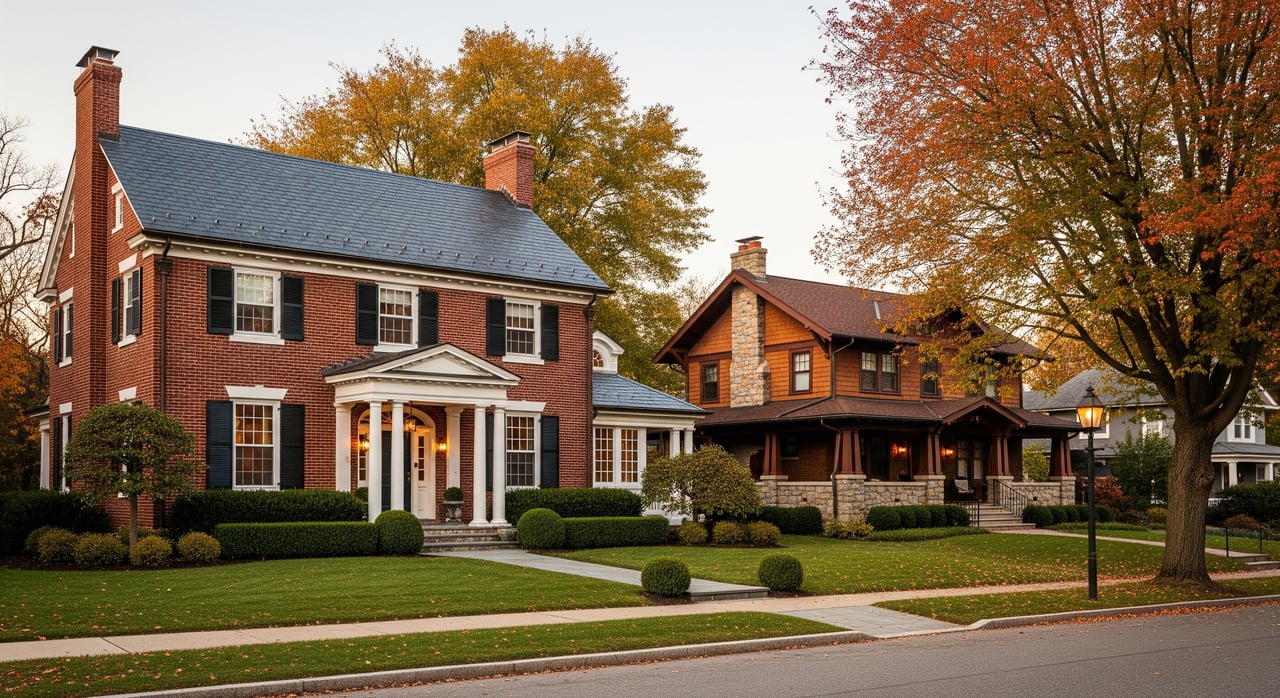
You will usually see a symmetrical façade with a centered front door and multi‑pane windows with shutters. Expect side‑gabled or hipped roofs and modest trim. Many Colonials in the region are Colonial Revival versions with classical entry details like a small pediment or pilasters.
Inside the layout
A center‑hall or side‑hall plan is typical, with formal living and dining rooms and a kitchen toward the rear. Second floors often include two or three bedrooms. Full basements are common for storage, utilities, or finished lower‑level space.
Smart seller highlights
Call out symmetry, original mouldings, wood floors, and any preserved hardware or staircases. Emphasize recent improvements such as updated kitchens and baths, insulation, and new mechanicals.
Photos that sell
- Straight‑on façade shot that captures the symmetry and entry detail.
- Close‑ups of door surrounds, shutters, and brickwork or cornice details.
- Interior sequence that shows flow from living to dining to kitchen, plus the main stair.
Victorian charm
What to look for
Victorians, including Queen Anne and Folk Victorian, show asymmetry, bay windows, and decorative trim. You may see wraparound porches, mixed exterior materials, and ornate brackets or spindlework. Higher‑style examples can feature towers or turrets.
Inside the layout
Floor plans can be irregular, with multiple smaller rooms, formal parlors, and a separate dining room. High ceilings, plaster walls, rich woodwork, and fireplaces are common. Some homes include attic or third‑floor rooms.
Smart seller highlights
Point out stained glass, original mantels, pocket doors, built‑ins, and large porches. If you updated electrical or other systems while preserving trim, note that clearly.
Photos that sell
- Angled façade that shows the porch, bays, and roofline complexity.
- Detail shots of brackets, stained glass, and porch trim.
- Interior vignettes of mantels and staircases, plus wide shots to convey scale.
Craftsman and bungalow
What to look for
Craftsman bungalows feature low‑pitched gabled roofs with wide eaves and exposed rafter tails. Look for tapered porch columns on piers and grouped multi‑pane windows. Most are one to one‑and‑a‑half stories with broad, welcoming porches.
Inside the layout
Layouts are compact and efficient, often with a more open living, dining, and kitchen sequence than older Victorians. You will often see built‑ins, natural wood trim, and a central fireplace. Basements and usable attic areas are common.
Smart seller highlights
Spotlight built‑ins, original woodwork, and the indoor–outdoor connection via the porch and yard. Note any mechanical upgrades and energy improvements.
Photos that sell
- Front shot showing the full porch, tapered columns, and landscaping.
- Close‑ups of built‑in cabinetry and the fireplace.
- A lifestyle porch shot to help buyers imagine daily use.
Cape Cod and Dutch Colonial
What to look for
Capes typically have steep side‑gabled roofs, a centered entry, and dormers, often at one‑and‑a‑half stories. Dutch Colonials are defined by their gambrel roofs with flared eaves and sometimes a broad dormer. Ornamentation is modest, with clapboard or shingle siding.
Inside the layout
Expect cozy first‑floor rooms with bedrooms in dormered second‑floor spaces. Many homes have finished basements that add flexibility.
Smart seller highlights
Feature dormer light and usable upstairs space. Note efficient heating and any recent kitchen or bath upgrades.
Photos that sell
- Front shot centered on rooflines and dormers.
- Interior photos that show upstairs headroom and daylight.
- Any finished attic or bonus room presented clearly.
Tudor Revival
What to look for
Tudor Revival homes from the 1920s to 1940s show steeply pitched gables, decorative half‑timbering, tall narrow windows, and masonry or stone accents. These details create strong curb appeal.
Inside the layout
Interiors tend to be more compartmentalized with formal rooms and built‑in nooks. Leaded glass windows may appear as accents.
Smart seller highlights
Call out rooflines, masonry detail, original leaded glass, and tasteful modernizations that respect the style.
Photos that sell
- Façade shot that showcases steep gables and half‑timbering.
- Detail images of masonry, stone, and window craftsmanship.
Ranch and mid‑century
What to look for
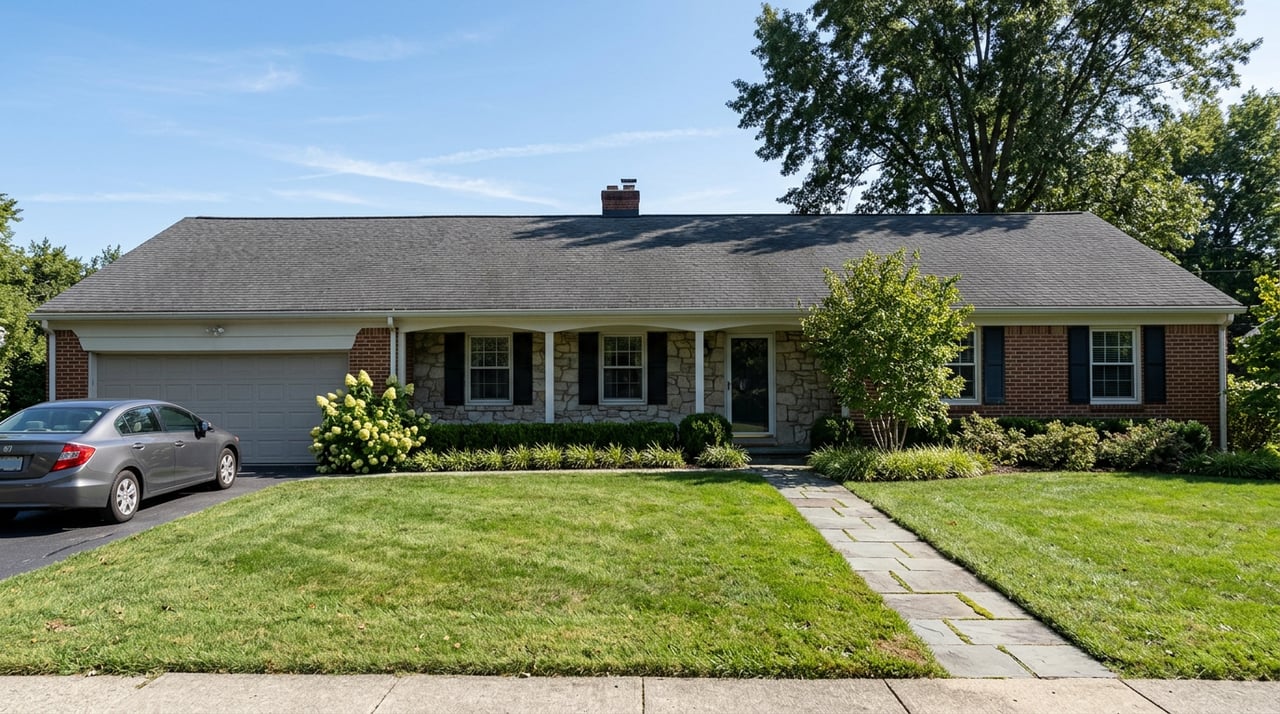
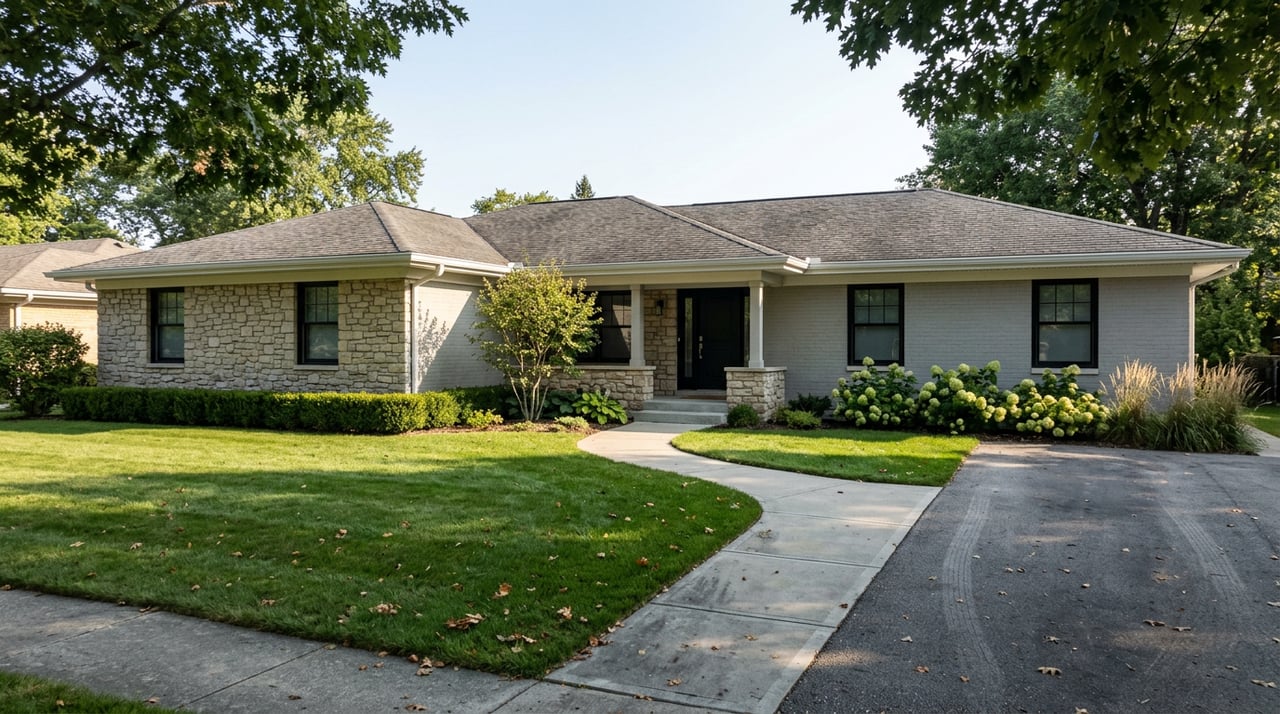
Postwar ranches and mid‑century homes are common near the borough edges. You will see single‑story layouts, low‑pitched roofs, attached garages, and larger picture windows. Split‑level variants appear in some neighborhoods.
Inside the layout
Compared to older homes, these offer more open living areas with good kitchen access to living and dining. Basements are common. Many homes have updated to modern open kitchens over time.
Smart seller highlights
Emphasize single‑floor living, attached garages, and yard space. Note expanded living areas and any recent energy improvements.
Photos that sell
- Façade showing the garage, driveway, and yard.
- Interior images that capture kitchen‑to‑living flow.
- Shots that demonstrate accessibility and easy circulation.
How style shapes buyer interest
Different Emmaus buyers lean toward different styles and features.
- Historic‑character seekers look for Victorian, Colonial, and Craftsman homes near downtown for charm and walkability. Curb appeal and porches matter here.
- Young families and downsizers often prefer updated Colonials, ranches, and mid‑century homes with garages, yards, and practical layouts.
- Renovators and investors focus on older houses with original woodwork that need systems upgrades.
Across the board, open kitchens and renovated baths are powerful selling points. Older homes that keep character while adding an open kitchen tend to draw stronger interest. Garages and off‑street parking can be decisive for suburban buyers.
Renovations, energy, and disclosures
Many older homes in Emmaus will eventually need mechanical updates. If you completed permitted work, gather documentation to boost buyer confidence. Energy upgrades such as insulation and efficient windows are attractive, especially in older structures. If a property falls within a historic district or preservation overlay, verify any exterior change rules and disclose them clearly. Buyers also appreciate clarity about window status, whether historic originals or replacements.
Photo marketing that works
Professional photography helps every style shine. Use these best practices to present your home at its best.
- Exterior: Capture a straight‑on façade in soft daylight, then a second angle that shows roofline and lot context, including driveway, porch, or garage. Add close‑ups of trim, brickwork, and entry details, plus backyard and outdoor living spaces.
- Interior: Take wide‑angle shots of the main living area, kitchen, and primary bedroom. Show flow from entry to backyard in a clear sequence. Include detail shots of period features like mouldings, mantels, built‑ins, or leaded glass.
- Technical: Keep verticals straight and interiors bright. Declutter rooms. Stage with neutral, period‑aware furnishings to let architectural details stand out.
Find your fit: buyer questions
Use these prompts to refine your search.
- Do you prefer historic details like mouldings and built‑ins, or do you want a modern open plan?
- Is single‑level living or accessibility a priority?
- How important is proximity to downtown Emmaus compared to lot size and private outdoor space?
- Do you require a garage or off‑street parking?
- How much renovation are you willing to take on, especially for systems, insulation, and windows?
Seller prep checklist
Make it easy for buyers to say yes.
- Gather the year built, a list of major renovations, and permits or receipts when available.
- Document preserved features such as original woodwork, mantels, or built‑ins.
- Note any exterior work that required review under a local historic ordinance.
- List energy‑efficiency upgrades like insulation, windows, and heating or cooling improvements.
- Check the condition of porches and supports, and review any foundation or basement items before listing.
Partner with a local pro
Presenting style the right way can add real value. A concise description that names the style, a photo set that highlights defining features, and a staged, well‑flowing tour help buyers connect fast. If you are selling, data‑backed pricing and premium marketing will maximize interest from the right audience. If you are buying, a clear picture of how you live will point you to the right style in the right pocket of Emmaus.
Ready to make your next move with confidence? Reach out to Creighton Faust for a concierge experience, professional photography and video, and disciplined pricing and negotiation designed to deliver measurable results.
FAQs
What defines a Colonial home in Emmaus?
- A mostly symmetrical façade with a centered front door, multi‑pane windows with shutters, a side‑gabled or hipped roof, and a traditional center‑hall or side‑hall plan.
Do older Emmaus homes usually have basements?
- Yes, masonry foundations with full basements are common in older homes and are often used for storage, utilities, or finished lower‑level space.
How do porches impact buyer interest in Emmaus?
- Porches and curb appeal are especially important in walkable neighborhoods, helping buyers picture daily life and strengthening first impressions.
Which styles appeal to downsizers in Emmaus?
- Many downsizers favor updated Colonials, ranches, and mid‑century homes that offer single‑level living, garages, and manageable yards.
What seller documents help an older home sell faster?
- Permits and receipts for mechanical, electrical, plumbing, roof, and window work, plus a clear list of energy upgrades and preserved historic features.
How should I photograph a Craftsman bungalow for a listing?
- Capture the full front porch with tapered columns, show indoor flow from living to dining to kitchen, and include close‑ups of built‑ins and the fireplace.