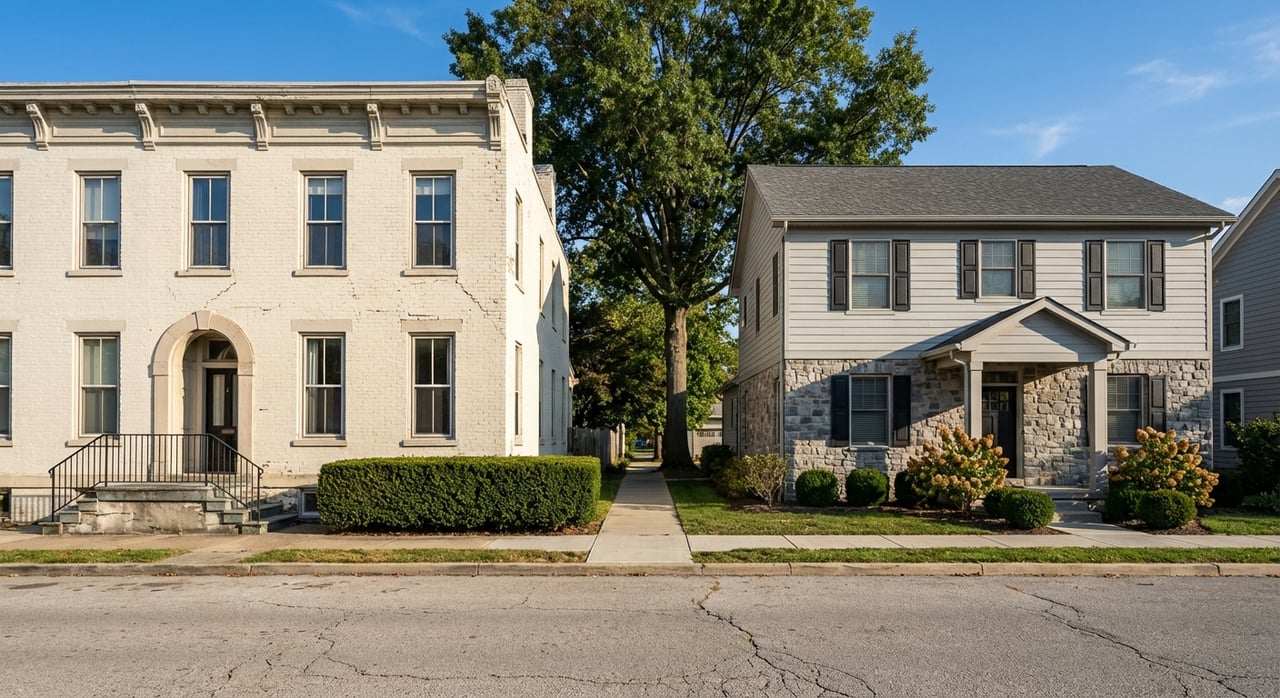
Love the charm of a 1900s rowhouse, but crave the ease of a move-in ready home? In Allentown, you can find both — and the right choice depends on your lifestyle, budget, and appetite for projects. This guide breaks down what “historic” really means here, how maintenance and financing differ, and the key inspections to prioritize. You will walk away ready to compare options with confidence. Let’s dive in.
Historic homes in Allentown: what that means
Buying in one of Allentown’s three city-designated historic districts means extra stewardship and clear rules for exterior work. The city’s Historical Architectural Review Board (HARB) reviews visible exterior changes and issues Certificates of Appropriateness for things like façade updates, porch repairs, window or door replacements, additions, and demolitions. Interior work typically does not require HARB review. You can review the city’s process and guidelines on the City of Allentown Historic Preservation page.
Where you will see them
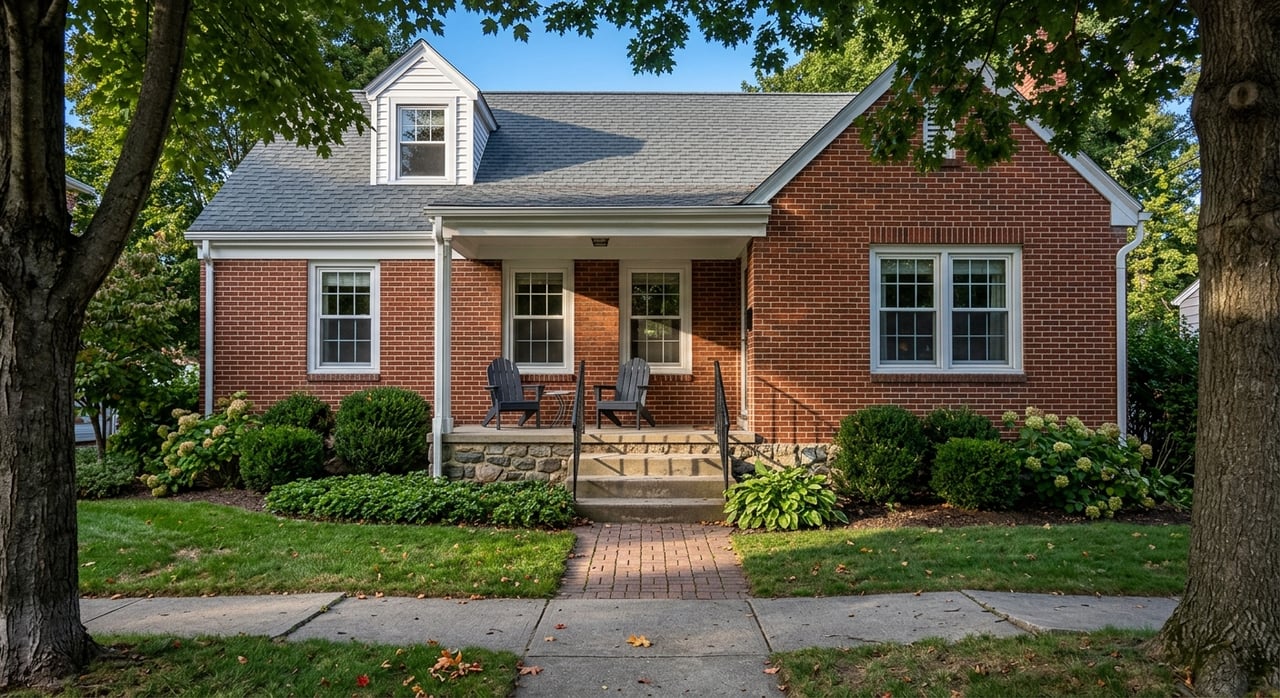
Allentown’s historic districts include Old Allentown, Old Fairgrounds, and West Park, which reflect late 19th to early 20th century growth with styles like Queen Anne and Colonial Revival. Expect brick and stone details, tall windows, and inviting porches. Local reporting on updated district records captures how you can feel the history on every block, which is a big part of the appeal for many buyers.
How old is Allentown’s housing
A large share of Allentown’s homes were built before 1940. Local demographic summaries indicate roughly 35 to 40 percent of units fall into the oldest cohorts, which helps explain the prevalence of rowhouses, twins, and turn-of-the-century singles in core neighborhoods. See age breakdowns in this Allentown housing summary and confirm specific figures at offer time.
For pricing context, recent consumer market snapshots show typical Allentown home values in the low to mid 300s. You can review current city-level trends on Allentown home value pages when you are ready to fine-tune a budget.
Pros and tradeoffs: historic vs newer
Historic homes deliver character you cannot replicate. You will often find original millwork, plaster walls, stained glass, and gracious porches, along with mature street trees and walkable blocks. The tradeoff is ongoing stewardship, from energy upgrades to periodic system updates, plus the possibility of HARB review for exterior-visible work.
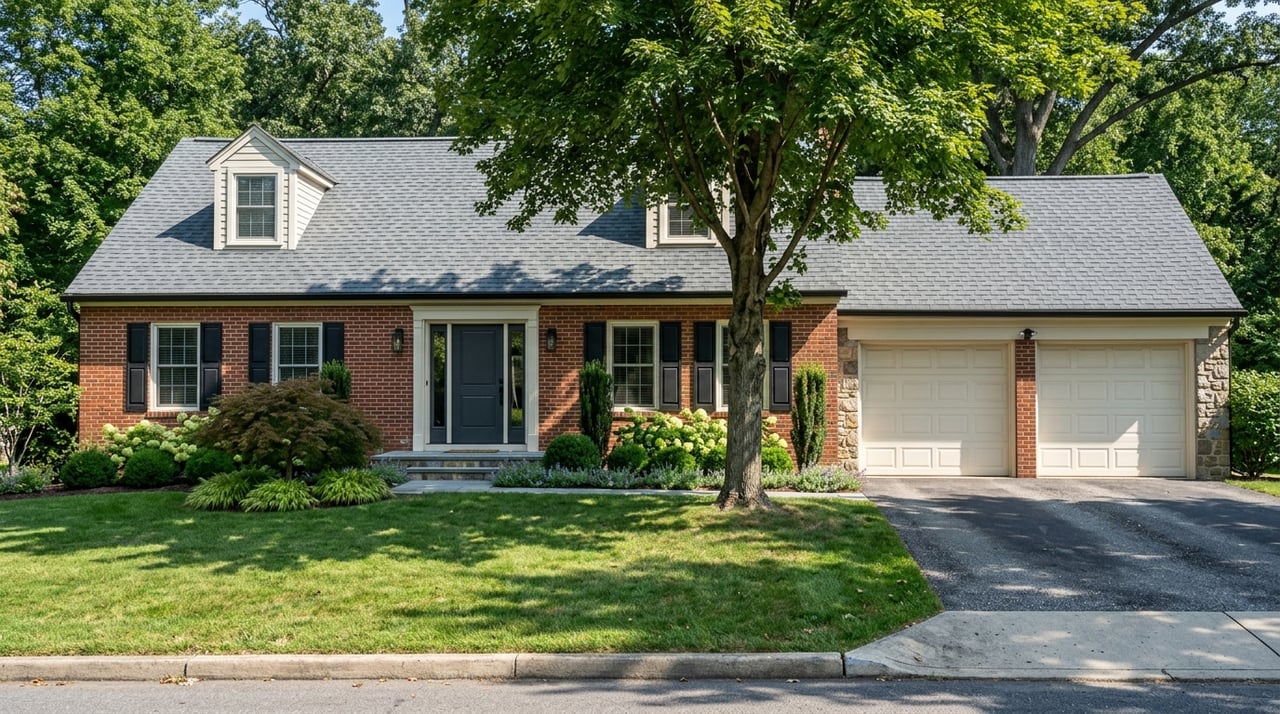
Newer or recently built homes offer convenience and predictability. You will more often see open floor plans, integrated garages, modern electrical and plumbing, and higher insulation levels that help manage monthly costs. The tradeoff is less period detail and, in some cases, higher purchase prices for fully modernized homes.
Inspections and safety must-dos
Older properties reward thorough due diligence. A standard home inspection is essential, but you should also plan for a deeper look at electrical, plumbing, chimneys, and sewer laterals. In pre-1940 to mid-century homes, inspectors frequently find knob-and-tube or other legacy wiring that may limit insurability and demand upgrades. For a primer on old-house wiring issues, review this overview of legacy systems and rewiring considerations.
Health and environmental checks
- Lead-based paint: Federal disclosure applies to homes built before 1978. If you plan to renovate, use lead-safe practices and certified contractors. Learn more from the EPA and HUD in this lead-based paint guidance.
- Radon: The Lehigh Valley has a history of elevated radon levels. Always test during your contingency period and plan for mitigation if needed, which is a common, effective fix. See regional outreach and context from Muhlenberg College’s radon workshop.
- Asbestos and older materials: Older pipe wrap, floor tiles, and adhesives may contain asbestos. Consult licensed specialists for evaluation and remediation.
Insurance considerations on older systems
Older roofs, outdated wiring, or aging plumbing can affect your ability to obtain standard homeowners insurance or can increase premiums. Some carriers will require remediation before issuing a policy. It is smart to secure quotes early and to understand how insurers view older homes, as outlined in this overview on insuring older houses.
Budgeting and renovation financing
If you love a historic home but need updates, there are loan products that bundle purchase and renovation into one mortgage.
- FHA 203(k): Combines purchase and renovation into a single FHA loan. It can be a fit if you plan owner-occupancy and want to include repairs from day one.
- Fannie Mae HomeStyle Renovation: A conventional option that also finances purchase plus improvements. Explore how it works in this HomeStyle Renovation guide.
- Freddie Mac CHOICERenovation and CHOICEReno eXPress: Conventional renovation loans that cover a range of project sizes. See details in this CHOICEReno overview.
If you already own a home or prefer a different structure, alternatives include a HELOC, cash-out refinance, or contractor financing for smaller projects. Regardless of how you pay, set a contingency of 10 to 20 percent of your renovation budget for surprises, especially in older homes. If your property is in a historic district, factor the HARB timeline into your project schedule, since some lenders will require approvals before releasing renovation funds. You can confirm local approval steps on the city’s HARB page.
Resale and lifestyle fit
Match the home to your next 1, 5, and 10 years. If you want minimal near-term work and predictable monthly costs, a newer or recently remodeled home often fits best. If you value architectural character and do not mind periodic upgrades, Allentown’s older houses can be deeply rewarding. Either way, price the home you want plus the work you plan, and get at least two local contractor estimates before you finalize your offer strategy.
Quick buyer checklist
Use this list to keep your decision grounded in facts.
- Confirm district status: If the home is in Old Allentown, Old Fairgrounds, or West Park, review HARB rules and ask for any Certificates of Appropriateness on file. Start with the City of Allentown Historic Preservation page.
- Order inspections: Full home inspection, electrician scope, sewer lateral camera, chimney inspection, pest report, radon test, and lead test for pre-1978 homes. Use findings to set repair credits or seller-completed work.
- Evaluate systems: Ask when HVAC, water heater, roof, electrical service, and plumbing were last updated. Request permits and warranties when available.
- Check safety files: Ask for prior radon test results and any post-mitigation documentation. Confirm any lead disclosures for pre-1978 homes.
- Get insurance quotes early: If the home has very old wiring, roofing, or plumbing, confirm coverage options and any remediation required by your insurer.
- Price the full picture: Compare the cost of a move-in ready newer home to the purchase price plus renovation cost of an older home. Set a 10 to 20 percent contingency in your project budget.
- Align financing: If renovating, explore FHA 203(k), HomeStyle, or CHOICERenovation. Confirm how approval timelines and draws will work if the home is in a historic district.
Ready to compare homes?
Whether you are eyeing a Victorian near West Park or a newer build with a big garage, you deserve a clear, calm plan that fits your timeline and budget. From pricing strategy to contractor referrals and negotiation, you will get a concierge experience and steady guidance. If you want to see both historic and newer options side by side, connect with Creighton Faust to start your search with confidence.
FAQs
What does HARB approval mean for Allentown historic districts?
- If you buy in Old Allentown, Old Fairgrounds, or West Park, visible exterior changes typically require Historical Architectural Review Board review and a Certificate of Appropriateness per the city’s guidance.
Are radon levels a concern for homes in Allentown?
- Yes, the Lehigh Valley has documented elevated radon levels, so you should test during contingencies and plan for mitigation if needed, which is a common and effective solution.
What inspections should I order for a pre-1940 Allentown home?
- Along with a standard home inspection, schedule an electrician scope, sewer lateral camera, chimney evaluation, radon testing, lead testing for pre-1978 homes, and a pest report.
How do I finance renovations when buying an older Allentown home?
- Consider FHA 203(k), Fannie Mae HomeStyle, or Freddie Mac CHOICERenovation to roll repairs into one loan, or look at alternatives like a HELOC or cash-out refinance based on your situation.
Does a historic home affect my ability to get homeowners insurance?
- It can if the home has outdated systems like knob-and-tube wiring or a very old roof; get quotes early and be ready to address required upgrades before closing.